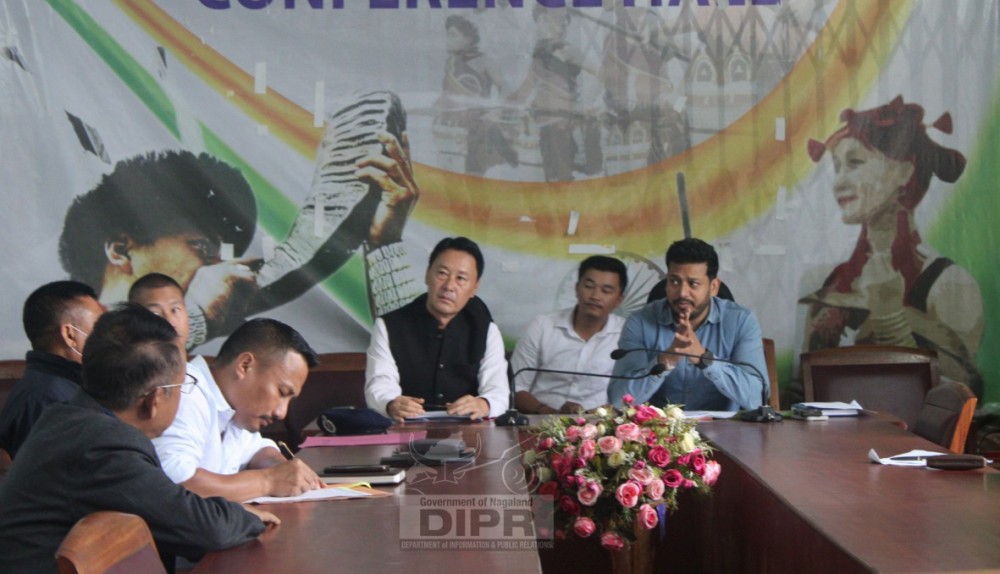
Secretary & State Nodal Officer for Zunheboto, Zarenthung Ezung chairsa district-level meeting on Reform Utsav held at DC’s Conference Hall, Zunheboto, on 15th September 2026. (DIPR Photo)
Kohima, September 15 (MExN): District administrations across Nagaland are stepping up preparations for Reform Utsav, a nationwide, time-bound campaign to solicit citizens’ suggestions on governance and public service delivery and translate feasible suggestions into action.
Meetings and sensitisation programmes were held in Tseminyu, Zunheboto and Peren on September 15 to brief officials and stakeholders on the campaign and widen grassroots participation, the State DIPR reported.
The campaign will begin with Jan Manthan (Discover) from October 2, followed by Vimarsh (Deliberate) and Jan Samadhan (Delivered), and culminate with Sankalp Sidhi (Celebrate and Commit) from December 25 to 27.
Peren: A district-level sensitisation meeting was held under Commissioner & Secretary, IT&C, Arenla Jamir, State Nodal Officer for Peren and Chumoukedima. She said the campaign seeks citizen inputs on difficulties in accessing government services and ways to make processes simpler and more effective.
Jamir called for extensive sensitisation across sub-divisions, blocks, urban local bodies, village authorities and line departments, using social media, local media, radio, educational institutions, SHGs and other community networks.
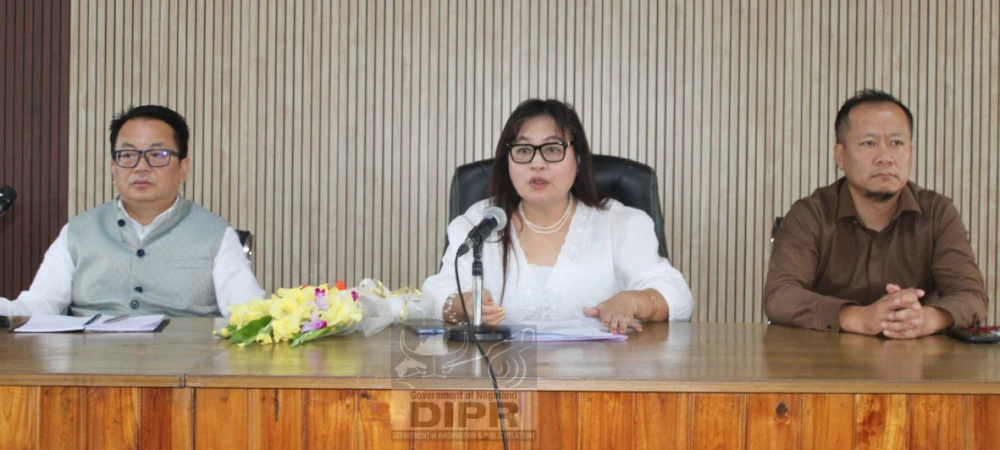
She identified healthcare, education, roads and connectivity, power, water and essential infrastructure/services as priority areas, stressing outreach to villages, particularly Tening, Ahthibung and Nsong. She also emphasised distinguishing individual grievances from systemic reform issues.
Suggestions will be examined with concerned departments and developed into reform proposals with implementation roadmaps for submission to the State Level Coordination Committee (SLCC).
A presentation was delivered by Programme Officer, IT, Er. Yanger Longkumer, followed by an interaction with Heads of Offices. DC Hiazu Meru said awareness would be intensified at the subdivision and village levels and informed that a District Level Committee had been constituted. Sub-Divisional Administrative Officers would organise awareness programmes in their respective jurisdictions.
Tseminyu: Deputy Commissioner, Tseminyu, Japheth Woch has urged citizens of the district to actively participate in the nationwide campaign through the Reform Utsav Portal.
Informing on the key pillars, the DC said the campaign aims to provide citizens a platform to share suggestions, ideas and feedback on governance and public service delivery, while promoting greater citizen participation, transparency, innovation and responsiveness.
Woch further requested citizens to submit their suggestions through the portal. The district administration will widely disseminate and publicise details once the portal becomes active.
Zunheboto: A district-level meeting chaired by Secretary to the Government and State Nodal Officer for Zunheboto, Zarenthung Ezung, was held at the DC’s Conference Hall. Deputy Commissioner Dharam Raj delivered the welcome address.
Ezung described Reform Utsav as a citizen-driven process to improve governance and address public grievances, stressing the need for reforms across departments and eventual extension to the grassroots.
Discussions included citizen action groups, public suggestions, policy feedback, ease of governance and short- and long-term action plans. The meeting proposed a District Coordination Committee with public participation, sub-divisional committees including for Akuhaito Block, block-level visits by officials and a District Action Plan aligned with the State Action Plan. The DPRO was also tasked with a greater role in grassroots dissemination.
What is Reform Utsav
The Reform Utsav is structured around three pillars of delivery, followed by Sankalp Sidhi (Celebrate and Commit).
1. JAN MANTHAN — Discover: October 2–30
Citizens submit inputs through the Reform Utsav Portal. Outreach and sensitisation activities are undertaken, and suggestions received are sorted and classified.
2. VIMARSH — Deliberate: October 10–November 30
Concerned State and Central departments deliberate on the suggestions, classify them as Quick-Win or Medium-Term reforms, assess feasibility and assign ownership.
3. JAN SAMADHAN — Delivered: October 10–December 20)
Quick-Win reforms are implemented directly, while Medium-Term reforms are submitted with clear implementation roadmaps. Progress is centrally tracked through the Reform Utsav Portal.
4. SANKALP SIDHI — Celebrate & Commit: December 25–27
Marks the culmination of the Reform Utsav campaign.
Objective: To provide citizens a platform to share suggestions, ideas and feedback on reforms and improvement of governance and public service delivery, while promoting greater citizen participation, transparency, innovation and responsiveness in the reform process.