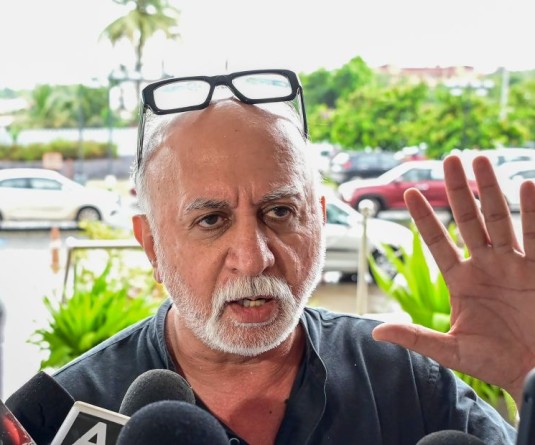
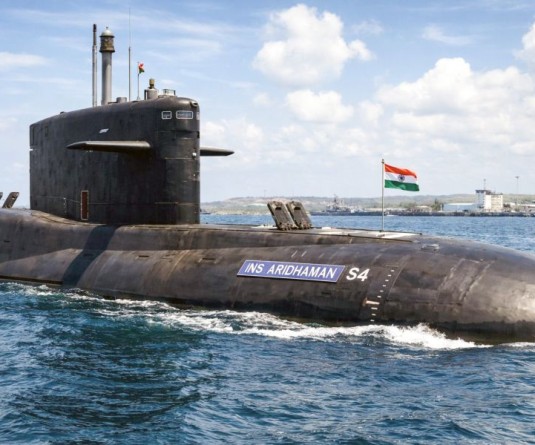
Defence Minister Rajnath Singh addresses the inaugural session of the ASEAN-India Defence Think Tank Forum at the Manohar Parrikar Institute for Defence Studies and Analyses (MP-IDSA) in New Delhi on October 14, 2026. (Photo: IANS/PIB)
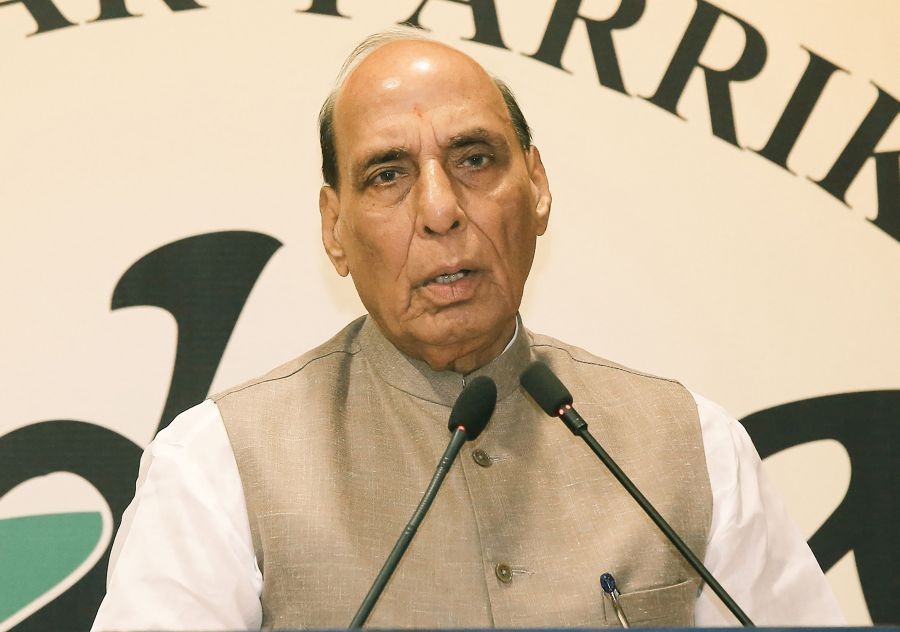
New Delhi, October 15 (IANS): Defence Minister Rajnath Singh on Thursday issued a warning to Pakistan, stating that any future act of terrorism by it would be met with a strike even more powerful than the previous one.
Addressing an event here, Rajnath Singh remarked that whenever terrorists have attempted to stain Indian soil with blood, "India has delivered a fitting response—an echo of which likely still resonates with the masters of these terrorists".
Recalling the 2016 terrorist attack in Uri, he said: "Our brave soldiers carried out surgical strikes, completely destroying terrorist hideouts."
"Wishing for peace is an integral part of our civilisational consciousness and cultural values," he said, describing dialogue, coexistence and peaceful solutions as central to India’s cultural outlook.
However, he clarified that the country’s preference for peace should not be confused with an inability or unwillingness to defend itself. In a warning to Pakistan, he said: "If further terrorist activity originates from its territory, India could launch a strike bigger than its previous operations."
Citing Operation Sindoor, Rajnath Singh highlighted India's progress in defence technology.
"We are all aware of 'Operation Sindoor.' It served as an excellent example of technology-driven warfare. This operation utilised advanced systems -- such as the 'Akash Teer' (air defence command and control system), the Akash missile system, and the BrahMos missile -- alongside various other state-of-the-art equipment. It demonstrated that our armed forces not only grasp the nature of these changes but are also leveraging them with great confidence," he said.
He noted that today, 159 out of 175 types of ammunition in the Indian armed forces' arsenal are indigenously produced—"meaning we have achieved over 90 per cent self-reliance in this category".
Moreover, the Defence Minister highlighted that India’s defence exports, which stood at just Rs 686 crore in 2013-14, have now grown to over Rs 38,000 crore.
"Defence products manufactured in India are currently being exported to nearly 200 countries. It is not just our defence exports that have increased; I believe this has bolstered India’s reputation, enhanced its credibility, and strengthened global trust in Indian technology," he said
"Our goal is to build an India that, while advocating for peace, remains vigilant about its own security and is fully capable of safeguarding its sovereignty, integrity, and national interests. The nation's security is not merely a reflection of the preparedness of our armed forces; it is also a testament to the nation's resolve and strength. Our commitment to peace remains steadfast, yet India's armed forces are fully prepared to confront any challenge."
He said that by the time India marks 100 years of its independence, it will not only be a developed nation but will also lead the world with confidence across various sectors, including technology, the economy, and defence.
"Today, we are developing a defence ecosystem that strengthens national security, accelerates economic growth, and bolsters India's role within the global security architecture. There was a time when we relied on external sources for all our defence needs—from the smallest items to major systems; we were dependent on imports. But today, the landscape is shifting. We are now building the capacity to manufacture everything domestically—from minor requirements to large, state-of-the-art defence systems," Rajnath Singh stressed.
Rajnath Singh further remarked that the Defence Research and Development Organisation (DRDO) is no longer merely an institution focused on defence research and development and has rather become a "national innovation platform" that connects industries, universities, start-ups, and scientists.
"Our clear objective is to strengthen our start-ups as well as micro, small, and medium enterprises (MSMEs). To this end, the Ministry of Defence has approved procurement worth over Rs 2,400 crore from these enterprises, and projects exceeding Rs 1,500 crore have been sanctioned for the development of new technologies. Furthermore, 75 per cent of the budget allocated for the modernisation of the armed forces has been earmarked for procurement from Indian industries. The new defence procurement process currently being introduced incorporates several major reforms, which will provide fresh momentum and strength to defence production within the country," he stated.