Morung Express News
Dimapur | July 19
Nagaland residents have called for a away from awareness campaigns and prayer-based interventions towards professional counselling, stricter enforcement against drug trafficking and greater employment and recreational opportunities for youth, according to public suggestions submitted to the Morung Suggestion Platform on tackling substance use.
The submissions, spanning individuals from various backgrounds, converged on a common theme that the State’s existing approach of seminars and awareness drives has run its course and needs to be replaced with more direct, sustained interventions.
Shift to professional counselling, prevention
One of the most consistent demands was for professional, confidential mental health support. Rejecting superficial solutions, respondents emphasised the need to move beyond seminars and campaigns.
“Honestly, I would say that people have gotten used to these campaigns and seminars. The most effective would be a one-on-one counseling session, creating a safe environment for the people,” one contributor stated, highlighting the societal judgment that often prevents individuals from seeking help.
The call was for an “ecosystem of mental health care services in all public squares” and “confidential counselling services” accessible without stigma.
Respondents identified schools as the critical battleground for prevention. Suggestions included strengthening life-skills training and integrating physical fitness into the curriculum to build discipline and resilience.
“One practical long-term solution is to strengthen physical fitness programmes in our schools. Regular exercise and sports help improve mental health, build discipline, boost self-esteem, and provide a positive outlet for stress, reducing the risk of substance abuse,” a suggestion read, urging the government to invest in qualified PE teachers and sports infrastructure.
Another person stressed the need for “stronger awareness campaigns in schools and villages,” emphasising that prevention and recovery must go hand in hand.
Root causes and peer influence
A deep dive into the sociology of addiction revealed that the issue is often rooted in peer pressure, unemployment, and a lack of purpose. One respondent traced the origins of the problem to social mimicry, noting, “A few years back it was more of a fashion... growing up, it was actually cool to see the elders chewing pan... We often neglect depression, stress, pressure.”
Addressing this, the respondents called for investments in vocational training, entrepreneurship, and arts to provide meaningful opportunities that reduce vulnerability to substance abuse.
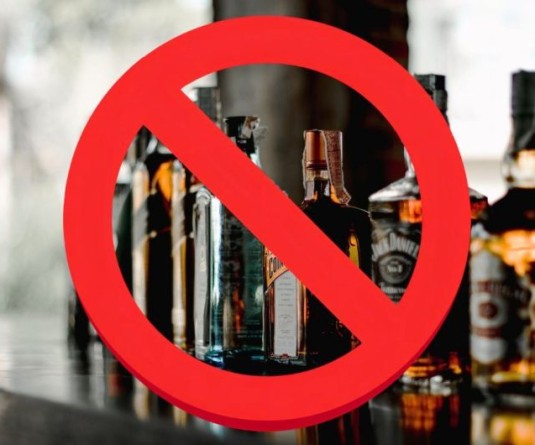
While acknowledging the need for compassion, the public also demanded strict action against the drug trade. A significant number of the feedback stressed that without curbing the supply of illegal substances, prevention efforts would be futile.
“Strict prohibition. Unless we are able to curb the smuggling of such substances inside our State, there’s no way to stop the drug menace... Once these drugs are inside and smuggled then no action or awareness or education can help us,” a caution was issued.
The public advocated for a non-judgmental approach to recovery. Suggestions included creating platforms for recovering addicts to share their testimonies, which were seen as more impactful than traditional awareness drives.
“If a victim of addiction tries himself to give repercussions, given the fact that society doesn’t judge along with a given platform or opportunity, it will help,” one noted, highlighting the “brighter side” of recovery.
The road ahead
The suggestions call for a “balanced strategy” by the government, integrating prevention, treatment, rehabilitation and strict enforcement. This includes disrupting drug trafficking networks while ensuring affordable healthcare and reintegration for those battling addiction.
There is also a push for evidence-based policymaking through “regular surveys on youth substance use” and better coordination between schools and healthcare providers.
Ultimately, the public consensus is that Nagaland must create a supportive ecosystem where recovery is viewed as a pathway back into society. “We should maintain a positive attitude toward this issue and not make them feel like an outcast and instead reach out helping hands to those who really need it,” a contributor summed up, underscoring the need for collective responsibility.