Dimapur, April 15 (MExN): As part of the Youth Employment Summit (YES) campaign, YouthNet and Naga Students Federation are hosting a two-day State consultation on April 23 and the 24th in Kohima.
In connection to this, YES Nagaland Chapter and YouthNet invite young Nagas to an open essay competition on the topics, (i) what ails Naga youth? (ii) Youth unemployment in the Naga context- what is the way out? The essay should be computer-typed between 900-1000 words and sent either by e-mail to yes.nagaland@gmail.com or by post (hard copy) to The Morung Express (Media partner YES Campaign), House No.4,Duncun Bosti, Dimapur 797112. Only one essay is open to one person. The last date of submission of essay is April 30, 2007. The prize money for the best essay is Rs.10, 000 and the prize for the runners-up is Rs 7,000. The results of the competition will be declared on the May 5, 2007.
YES strives to build the individual capacity of youth in order to create sustainable livelihood and to establish an entrepreneurial culture where young people move toward formal employment. Since its global launch in 2002, the YES campaign has validated the concept that young people, if given access to the right recourses, can effectively craft their own advancement opportunities. It has the Millennium Development Goals of the United Nations as its guiding principles. The Nagaland chapter asserts commitment to take this campaign forward and engage youth productively and improve the livelihood of the current and future generations.
The campaign highlights these goals: To initiate a systematic and methodical thinking process for creating employment through youth participation; to draw together these plans concepts, beliefs, and thoughts into a “Bank of Ideas” which would aid the Government and various other stakeholders (Banks, Financial Institutions, NGOs and Donor Agencies etc) in the planning process for employment generation and develop programmes and policies that will enhance employment opportunities for our youth; to sketch out a concrete plan of action which would be derived from the business plans and ideas of the youths. This would be in the form of pilot projects with various departments of the Government and private sectors; to enable mass participation of the youth at all levels in such a process, and thus create a new direction of thinking for self reliance among the youth in Nagaland and finally, to network the thinking of the youth with the global movement.
Rural Business Plan Competition (RBPC) would be one of the first components to kick start action the YES campaign. In order to promote youth entrepreneurship various departments of the Government would invite proposals and earmark a special fund to sponsor the winner of the competition to implement the project. These projects would be monitored and guided by the YES state chapter. YES would recruit volunteers from local business to serve as mentors.
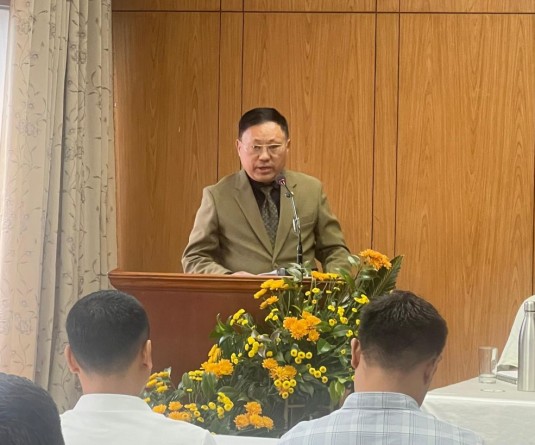
Keeping in mind the above objectives a two-day State consultation would be held in State HQ Kohima. The inaugural function would be attended by approximately 2000 youths from schools and colleges. For the technical session, around 150 youth/student leaders, Government officials, NGOs and major stakeholders from around the State would dialogue, discuss and participate. Experts both from private sectors and the Government, in the field of Information and Communication Technology (ICT), Rural Development, Micro-credit/ finance and Agriculture would interact with the youth participants at the consultation.
There would be both plenary sessions and breakout sessions. Breakout sessions would be technical constituting working groups. Recommendations, suggestions etc would constitute the Bank of Ideas thus leading to creation of innovative enterprises and businesses. This two-day Kohima consultation would lead to district consultations over the next three months and then culminating into Second State Consultation tentatively in September 2007.
The organization envisages culmination of participatory project design, youth-led innovative program implementation, and seed-grant projects for entrepreneurship development, developing multi-stakeholder partnerships for program design, building local capacity for program implementation, using new technologies for livelihood generation, community-driven development and initiating pilot projects.