Dimapur, may 26 (MExN): Reminding that it is the duty of the state to give legal aid to every citizen and also to make every citizen legally conscious, Justice I.A.Ansari, Gauhati High Court and Executive Chairman, State Legal Services today said, ‘If you are not providing legal aid, you are taking the risk of lawlessness in the society’. The state cannot survive without a strong legal system and the concept of justice delivery system should be seen in the context of welfare state said Ansari.
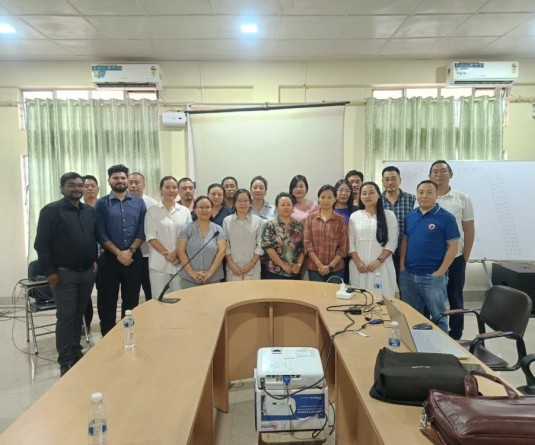
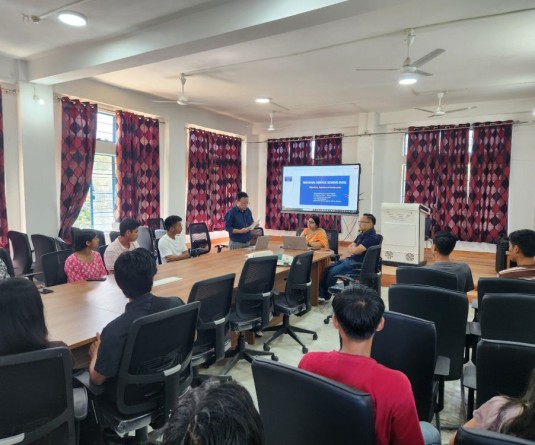
If a state, said Ansari, want to live in cohesive society, there has to be justice. He was addressing a programme on ‘legal workshop,’ organized by the State Legal Service Authority Nagaland, under the theme, “making justice delivery system more meaningful and effective for the underprivileged, poor and ignorant with special emphasis on women and children” at DC’s Conference Hall, Dimapur on May 26.
Justice Ansari, while reminding that the outlook and the concept of law have changed with the change of time and people, he said that the atmosphere of justice house should also change to make the justice delivery system more effective. He also underscored the need of having a separate independent system in the state.
He felt that the urgent need to make the women legally aware and to provide legal aid/provisions for their empowerment which, added Ansari can help dispensation of justice to women who are victims of rape, torture, etc.
He supported separation of the judiciary from the executive and called for independent (free from influences) judges for effective justice delivery system. He also stressed on the role of NGOs and other public organizations in creating awareness among people and sensitizing them about the law to help effective justice delivery system.
Also addressing the workshop was Parliamentary Secretary of Law and Justice Yitachu, who said ‘many are crying for justice, many are crying for peace but peace will come only when justice is delivered.’ And he further questioned ‘but how do we contribute towards effective delivery of justice to the people’. ‘The law,’ he said, ‘can’t be strong but the people should be strong because they enforce the law.’ While pointing out that the customary laws and the organization bye-laws are strong because the people stand by it, Yitachu called upon the people to stand up for the state law with the same attitude for the effective delivery of justice and further expressed his hope that things will change.
Yitachu also lauded effective justice delivery system of the Naga customary law which has been practiced from the head hunting days but, he questioned if the people can remain satisfied with the customary laws when there are lots of issues which cannot be solved by customary laws.
Yitachu also heaped praises on DAN Government for initiating the process of separating judiciary from executive which has already begun in Dimapur, now having separate institutions, and it would be extended to the entire state in a phased manner. He also said that the separation of judiciary from executive would not affect the justice dispensation of the state through Naga customary law but it would rather nurture and strengthen and make it more efficient.