Photo Courtesy: Image by Rosy/Bad Homburg/Germany from Pixabay | For representational purpose only
Niutoli Tuccu
Licensed Rehabilitation Psychologist RCI
Mental health problems are becoming increasingly common, yet many people still fail to recognise the early signs of emotional distress. Anxiety, depression, panic attacks, and emotional exhaustion are often ignored until they begin affecting daily life. Mental and emotional distress can also appear through physical symptoms. Constant stress and anxiety may lead to psychosomatic problems such as headaches, body pain, fatigue, stomach discomfort, and sleep difficulties. Early awareness and emotional support are more important than ever.
According to data shared by the Nagaland Health and Family Welfare Department during World Mental Health Day observance in 2022, nearly 20,000 people in the state were estimated to be living with severe mental illness, while around 2 lakh people experienced mild to moderate psychological conditions that often remained unnoticed. National studies by NIMHANS during 2015 to 2016 highlighted rising levels of anxiety, depression, panic disorders, and stress related conditions across India.
As a mental health professional, I have personally witnessed a sharp rise in people seeking therapy and psychological support in recent years. While this reflects growing awareness, it is deeply painful to see how many individuals still suffer emotional neglect within their own homes. Even today, depression, panic attacks, anxiety, and emotional exhaustion are dismissed as “laziness” or “attention seeking behaviour.” Such responses do not help people heal. They silently worsen the suffering.
In Dimapur, it is heartbreaking to see some individuals with untreated mental illness wandering the streets without care, support, or protection. Society is becoming emotionally distant. We speak about progress, yet many vulnerable people continue to suffer in silence around us. Mental illness is not only a medical issue. It is also a human and social responsibility.
Mental illness does not always appear in obvious ways. Many people continue their daily routines while struggling internally. Some common warning signs include:
1. Constant overthinking and excessive worry
2. Emotional numbness or persistent sadness
3. Irritability, panic attacks, or emotional exhaustion
4. Social withdrawal and avoiding people
5. Disturbed sleep and loss of motivation
6. Difficulty concentrating or managing stress
Simple ways to support your Mental Health:
1. Recognise early emotional changes and seek support early
2. Practice slow breathing and grounding techniques during anxiety or panic attacks
3. Avoid suppressing emotions or isolating yourself for long periods
4. Reduce overstimulation from excessive social media and negativity
5. Maintain proper sleep, food intake, hydration, and daily routines
6. Seek professional psychological help before symptoms become disabling
7. Create emotionally safe families and communities where people feel heard instead of judged
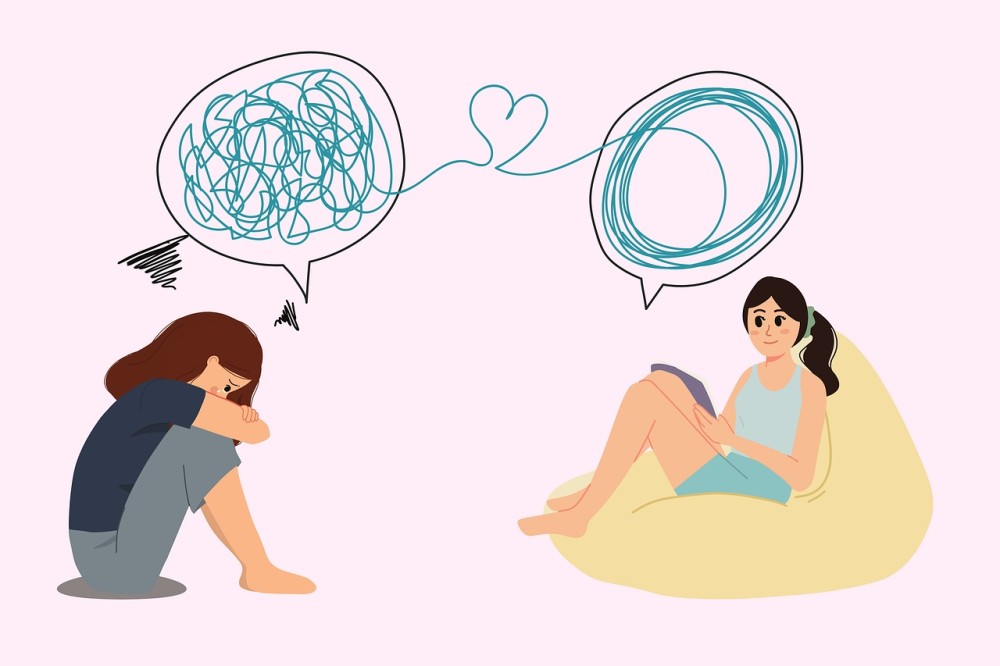
The 2026 Mental Health Awareness Month theme, “More Good Days, Together,” reminds us that healing becomes easier when people feel supported rather than judged. Mental health awareness should not remain limited to speeches, campaigns, or social media discussions alone. It should also be reflected in the way we listen, speak, and respond to one another in everyday life.
Most importantly, asking for psychological support is not a sign of weakness. It is a sign of self awareness, emotional strength, and courage. Many people around us are carrying silent psychological struggles, not drama. A little kindness and understanding can sometimes help more than we realise.