ICAR-Krishi Vigyan Kendra (KVK) Wokha, Nagaland
Thungchano S Ezung, Dr. Sandeep Deshmukh, Deepa Singh, Dr. B.L Mhalo Tungoe.
Introduction
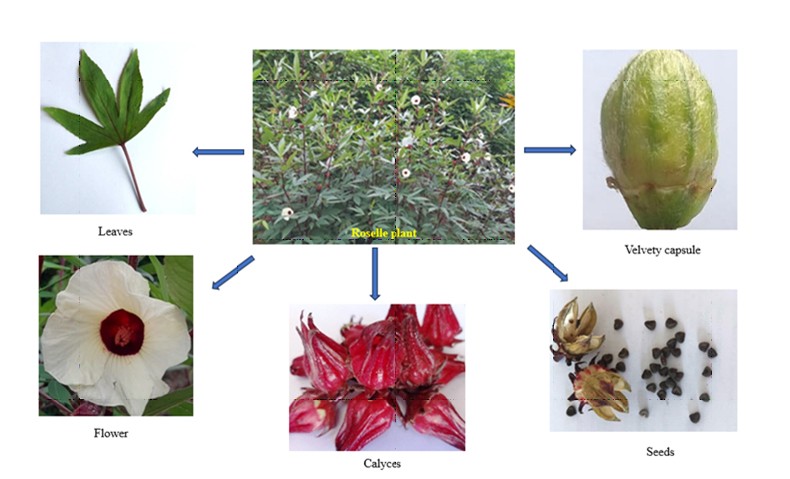
Roselle, also identified as red sorrel, is an annual plant that yields edible calyces that are red and fleshy with unique flavor and taste. It is cultivated in countries like Malaysia, India, Sudan, Taiwan Africa. In India it grown and found in different states and locally known as ‘Mesta’ or ‘Meshta’ and the calyces are ready for harvest in October or November .Roselle is known for its delicacy and medici¬nal properties which has several health benefits. The commercially important part of the plant is the fleshy calyx surrounding the fruit. Red calyces are used in many food products, including jelly, syrup, juice, wine, jam and is a rich source of anthocyanins, ascorbic acid, flavonoids, polyphenols and organic acids. Roselle has also drawn attention among food, beverage and pharmaceuti¬cal manufacturers because of its commercial potential as a natural food and coloring agent that can replace syn¬thetic products.
Processing and value addition on roselle
Roselle Juice
Roselle is commonly consumed as a beverage due to its appealing red pigment having high antioxidant activity. In Egypt, Roselle’s are a popular crop for export and are employed in the manufacturing of a popular traditional drink. In Malaysia Roselle has gained the attention of beverages manufacturers because of its higher levels of anthocyanins and vitamins. Roselle juice also known as "sobo" drink is a popular drink in Nigeria, because of its appealing colour, refreshing taste and flavor. Nevertheless, because of its availability for only few months of the year, it poses a difficulty in commercial juice production. To make the product available throughout the year the calyces are dried and stored. Juice of roselle have sour taste due to its acidic nature therefore, a sweetening agent must be added. The antioxidant and nutritional value of the juice can all be increased by blending the extract with the juice of varieties of tropical fruits such as mango, papaya, passion fruit, guava etc. Addition of roselle extract to tropical fruit juices enhanced their mineral content and antioxidant qualities, since roselle is an excellent source of magnesium, calcium and iron. Consuming roselle incorporated juices with high anthocyanin contents can help improve the human health due to higher antioxidant potentials.
Roselle Tea
The dry roselle calyx are commonly used to make herbal beverages that gives a sweet tart flavor similar to that of cranberries with distinctive colour. Scientific study claimed that the use of roselle tea reduce blood pressure, cholesterol and prevent cardiovascular disease. It is also well-known for its other health advantages, such as its capacity to enhance digestion, reduce inflammation, boost immunity and lower the risk of cancer. Roselle tea is a high source of antioxidants, vitamin C and minerals which aids in the controlling of anxiety and high blood pressure. For the processing of roselle tea, the calyces are dried until the moisture content reaches to a level of 8% and is packed and stored. Like any other tea it is then brewed in hot water prior to consumption. Processing parameters including drying time and brewing conditions (water temperature, brewing duration and solid to liquid ratio) affect the quality of the tea. Since roselle calyces contain a significant number of pytochemical substances, such as anthocyanins, flavonoids, phenolic acids and polysaccharides, brewing parameters like tea quality, water temperature, volume and brewing time have significant impact on the desired tea components. The rate of component and volatile chemical release during brewing influences the sensory attributes of the tea.
Roselle leather
Fruit leather is a processed product from fruits that has a skin like consistency, manufactured from a variety of fruits. It is a diversification of jam products, a culinary product that is processed by dehydrating fruit puree and has been manufactured and known for many years in the global market, particularly in Western Europe and America. Fruits can be conveniently promoted by drying them into rolls or leathers, enhancing their shelf life, reducing losses during peak season. A wide range of fruits may be utilized to produce fruit leather, including apple, pomegranate, pineapple, roselle etc.
Roselle puree can be blended with other fruits or ingredients that are wholesome and nutrient rich in order to boost consumer appeal. Roselle fruit leathers/ bars can be produced on a large scale because of their tasty flavor, vibrant color and high nutritional content that can be used as functional and nutraceutical foods.
Roselle Jam
Jam preparation is a conventional method of preserving fruits with the high sugar content, which, inhibits the growth of microorganisms as well as other degradative reactions, which means that the nutritious value of the fruits can be preserved while creating delicious products. Roselle jam can be processed from both fresh and dry calyces. Roselle calyces can also be blended with other fruits like gooseberry, guava etc. Roselle pulp can be successfully blended with other fruits in the preparation of jam.
Roselle Sauce
Roselle is a valuable plant that has a numerous use for its various components. Sauces, creams, vegetable salads, seasoning items, fruit salads, creams, marmalade, vegetable oils and spices are some of the products from roselle. The calyces mass could be further processed to create a sauce that is extremely acceptable from an organoleptic standpoint after color, acids, and pectin extraction for jelly manufacturing. Roselle is said to have almost indistinguishable taste and appearance from cranberry sauce. In a research conducted, tomato puree was substituted with roselle waste at different percentage in the preparation of chili sauce. With increase in incorporation level of roselle, chilli sauce of brilliant red color was developed which is due to the anthocyanin in roselle.
Roselle wine
Wine is an alcoholic beverage prepared by fermenting fruit juice. Fruits like grape, banana, watermelon, apple, orange, cucumber and pineapple are commonly used in wine production. The process of making red wine from grapes is a well-known technology. Utilizing roselle to produce wines or in combination with other fruits, on the other hand, offers a tremendous chance to standardize winemaking quality while also maximizing the nutritional advantages of roselle and exploring its business possibilities for wineries. Roselle can also be blended with fruits like papaya, ginger, pineapple for production of wines.
Conclusion
Roselle (Hibiscus sabdariffa) is a versatile plant that has numerous nutritional benefits and contains significant amounts of vitamins (niacin, ascorbic acid, pyridoxine) and minerals like magnesium and potassium. It is an inexpensive source of vegetable protein, fiber etc. Due to its immense nutritional, medical and appealing advantages, this plant is gaining more and more attention. Roselle also contains a rich source of anthocyanin, a polyphenolic molecule that give fruits, flowers, leaves an appealing red and blue color appearance. They are essential elements of the diet of humans and are frequently found in fruits, vegetables, berry etc. Due to its high antioxidant capacity and appealing flavor profile, roselle can be further explored as a functional ingredient in fortified foods, health drinks, and herbal teas. There is strong potential for innovation in the beverage industry, including ready-to-drink formulations and natural colorants. The crop has several industrial and commercial uses, thus the demand for it is increasing. Continued research into the bioactive compounds of roselle may lead to the development of novel pharmaceutical and nutraceutical products targeting chronic diseases such as hypertension, diabetes and cardiovascular disorders.