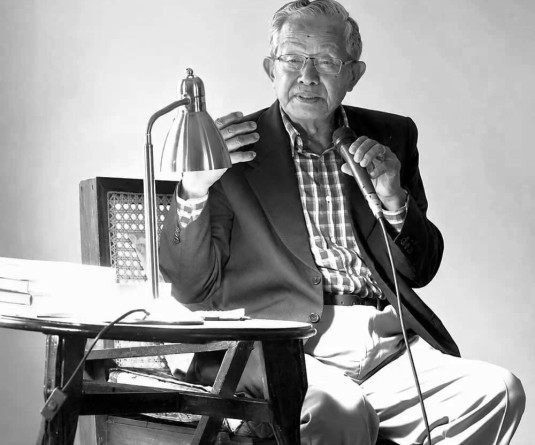
Dr RK Behera
Principal, MGM College
During my interactions with graduating students over the years, I have often noticed a common concern. While they are confident about earning a degree, many are uncertain about how their education will translate into meaningful career opportunities. Yet, many find themselves struggling to connect their education with the realities of the workplace. This disconnect raises an important question: Are we preparing our students merely to pass examinations, or are we preparing them for life and sustainable careers?A sustainable career is not simply about securing a job. It is about developing the capacity to learn, adapt, and grow throughout one's professional journey. In a world where technology changes rapidly and new professions emerge almost every year, the ability to continuously reinvent oneself has become more valuable than any single qualification.
Educational institutions therefore carry a great responsibility. The curriculum must not remain confined to textbooks and classroom lectures. It should help students develop practical skills, critical thinking, communication abilities, ethical values, and the confidence to face real-life challenges. Employers today are looking for graduates who can solve problems, work in teams, communicate effectively, and learn new skills quickly. Academic excellence remains important, but it is no longer enough by itself.As a college Principal, I frequently interact with employers, parents, and students. A concern that repeatedly emerges is the gap between what students learn in classrooms and what workplaces expect from them. Students often ask, "How will this subject help me in my career?" This is a valid question. The answer lies in making education more relevant, experiential, and connected to societal needs. Internships, field visits, community engagement, research projects, and industry interactions should become integral parts of the learning process. Such experiences allow students to understand the practical value of what they learn in the classroom.
At the same time, education must not become narrowly job-oriented. Its larger purpose is to develop responsible citizens who can contribute positively to society. A truly sustainable career is one that not only benefits the individual but also creates value for the community. Therefore, qualities such as integrity, compassion, discipline, and social responsibility must remain central to our educational efforts.The National Education Policy 2020 has opened new possibilities in this direction. By encouraging multidisciplinary learning, skill development, flexibility, and innovation, it seeks to prepare learners for a future that is both uncertain and full of opportunities. Institutions must embrace this vision and create learning environments where students can discover their talents, pursue their interests, and develop the confidence to chart their own career paths.Another important aspect of career sustainability is lifelong learning. The degree a student earns today cannot be the end of learning. It should only be the beginning. Professionals who continue to update their knowledge and skills remain relevant and resilient in a changing world. Educational institutions must therefore cultivate a culture of curiosity and continuous learning among students.
As educators, we often speak about placement and employment. While these are important indicators, our ultimate goal should be much larger. We should strive to produce graduates who are capable of creating opportunities, not merely seeking them; graduates who can lead with competence and serve with character.The future belongs to those who can combine knowledge with skills, ambition with values, and learning with adaptability. Building such individuals requires an educational curriculum that is dynamic, relevant, and rooted in the realities of the contemporary world. When education and career aspirations move together in harmony, students are not only prepared for jobsthey are prepared for life.