Diethono Nakhro
September is Spinal Cord Injury Awareness Month - a reminder that an injury can happen in a moment, but its consequences can last a lifetime. This is why awareness must include Disability Rights, Accessibility and Inclusion
I missed Spinal Cord Injury Awareness Day on September 5, but perhaps awareness should not be confined to a single day. September gives us an opportunity not only to talk about spinal cord injury and prevention, but also to recognise the rights of people living with disabilities and the responsibility of society to ensure that they can live with dignity, equality and independence.
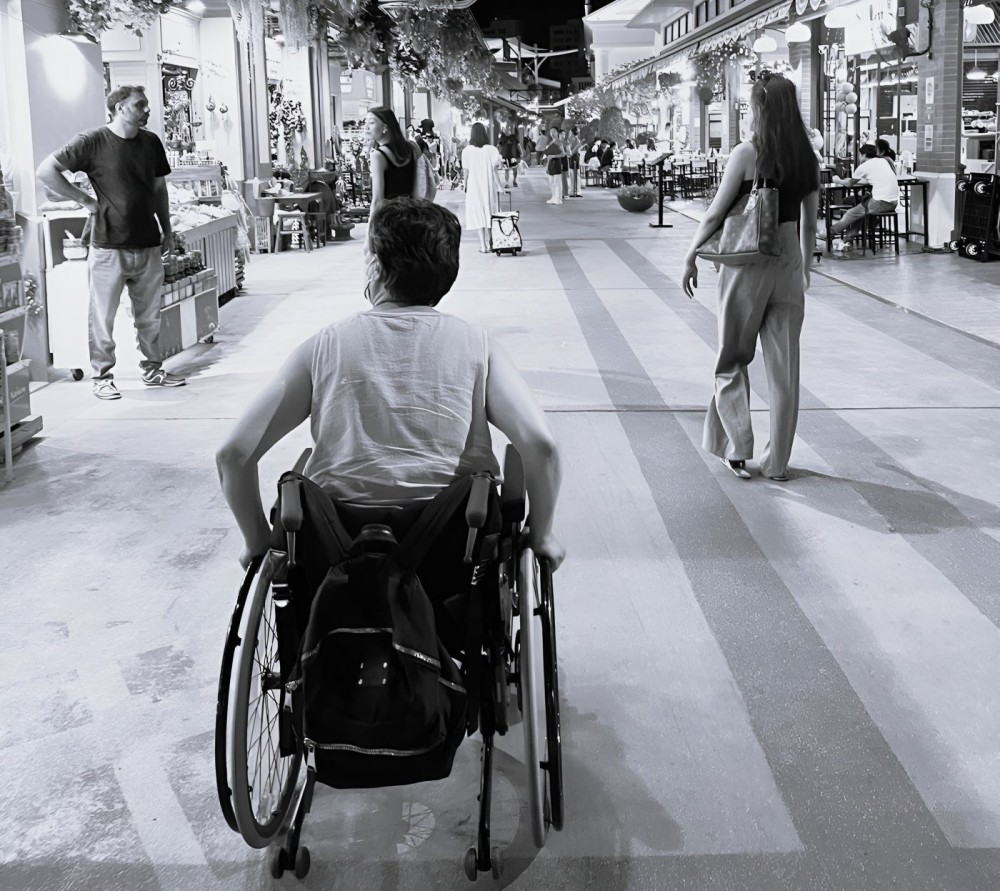
I speak from personal experience. In 2006, a road accident left me with a spinal cord injury and changed the course of my life. I became a wheelchair user after the age of 40.
At first, I had little understanding of what spinal cord injury meant. And, like most people, I associated a wheelchair with dependence and limitation. It took some time to understand that my disability and my wheelchair were not what limited me; it was the barriers around me.
That realisation has shaped much of my work since.
AN INJURY THAT CAN HAPPEN IN SECONDS
The spinal cord is a vital part of the Central Nervous System, carrying messages between the brain and the rest of the body. When it is damaged, the effects can range from loss of sensation or movement to paralysis and difficulties with bladder and bowel function, breathing and other bodily functions. It can also have significant mental, emotional and social effects on a person’s life.
Spinal cord injury can result from road crashes, falls, sports injuries, workplace accidents, violence and other causes. Not every injury can be prevented, but many are associated with circumstances where greater care, awareness and appropriate safety measures can reduce the risk.
This makes prevention particularly important.
ROAD SAFETY MATTERS
In Nagaland, road safety deserves particular attention. Our winding roads, steep terrain, difficult weather conditions and landslide-prone stretches can make driving challenging.
Speeding, distracted driving, dangerous overtaking, driving under the influence, and failing to use seat belts or helmets can have devastating consequences. A journey that takes only a few minutes can change an entire family’s life.
Wearing a seat belt should not be a matter of choice. Neither should wearing a helmet when riding a two-wheeler.
Road safety, however, is not only an individual's responsibility. People have a right to safe roads and safe transport, and the state and relevant authorities have a responsibility to create and enforce the conditions necessary for that safety. This includes properly designed and maintained roads, hazards that are addressed, effective enforcement of safety regulations, and accessible emergency services and systems that respond effectively when accidents occur.
FALLS AND UNSAFE ENVIRONMENTS
Falls can also result in serious spinal injuries. Construction sites, workplaces, homes and public buildings need appropriate safety measures, such as guardrails, handrails, safe stairs, adequate lighting, proper scaffolding and protective equipment.
Workers have a right to a safe working environment. Children and young people have a right to safe spaces for learning and recreation. Safety should not depend on luck, income or where someone happens to live or work.
We also need greater awareness around recreational activities. Diving into shallow or unfamiliar water, for instance, can cause catastrophic spinal injuries. Young people especially need to understand that a moment of recklessness can have lifelong consequences.
Prevention should not be viewed as a restriction to one's freedom. It is about making sure that people can work, travel, play and live without being exposed to unnecessary risks.
WHAT HAPPENS AFTER SPINAL CORD INJURY?
When an injury occurs, the response matters. A person suspected of having a spinal injury needs appropriate emergency care and careful handling. Unnecessary or improper movement can potentially worsen the injury. Emergency responders and the public therefore need basic awareness of how to respond until trained medical personnel take over.
But emergency treatment is only the beginning. For people with spinal cord injury, rehabilitation may involve physiotherapy, occupational therapy, assistive technology, psychological support and learning new ways of carrying out everyday activities.
However, the goal must go beyond helping someone survive or learn to manage daily activities. People with spinal cord injury need access and opportunity to education, healthcare, employment, housing, transportation, family life, political participation and community life. They have the right to make decisions about their own lives and to participate in society on an equal basis.
Unfortunately, this is where another struggle begins - not with the injury itself, but with the disabling barriers created by society.
DISABLING ENVIRONMENTS
After becoming a wheelchair user, I came to understand that some of the greatest obstacles are not the physical impairment itself, but the environments and systems around us.
A flight of stairs can become a barrier. An inaccessible toilet can take away independence. Public transport that cannot accommodate a wheelchair can restrict where a person can go. An employer who assumes that a wheelchair user cannot do a job can close the door to employment before the person has even had a chance.
These barriers do not arise from spinal cord injury itself. They arise from the way we design our buildings, transport systems, workplaces and communities, and from the attitudes we hold towards disability.
Accessibility is not a favour. Inclusion is not charity. Equal opportunity is not something to be granted when convenient. Persons with disabilities are rights-holders, and governments, institutions and society have obligations to remove barriers, prevent discrimination and ensure equal participation.
This is why awareness of spinal cord injury must also be awareness of disability rights, accessibility and inclusion.
A truly inclusive society does not expect persons with disabilities to overcome barriers that society itself has created.It removes the barriers and ensures that people can live their lives to the fullest on an equal basis with others.
For Nagaland, this is especially important. Our hilly terrain presents genuine challenges, but difficult terrain should not become an excuse for inaction. We need practical, context-sensitive solutions that make public spaces, transport and services safer and more accessible for everyone.
The Rights of Persons with Disabilities Act, 2016 recognises the rights of persons with disabilities to equality, dignity, accessibility, education, employment and participation. But laws can only make a difference when they are implemented in our communities.
WHAT SHOULD WE DO IN NAGALAND?
We need to move beyond awareness campaigns and take practical action.
• Government must strengthen road safety, emergency response, rehabilitation services and enforcement of accessibility standards.
• Builders and institutions must make accessibility and safety part of design, not something added as an afterthought.
• Schools and educational institutions must ensure inclusive education, accessible learning environments and the support necessary for children and young people with disabilities to participate and learn on an equal basis.They should also incorporate age-appropriate awareness on road safety, recreational safety, workplace safety and the prevention of spinal cord injuries, helping young people understand risks and make safer choices.
• Employers must ensure safe workplaces and take effective measures to prevent workplace injuries, including spinal cord injuries. At the same time, they must ensure equal opportunity for persons with disabilities, remove barriers to employment and provide reasonable accommodation so that disability is never a reason to exclude someone from work.
• Healthcare professionals and emergency responders need appropriate training in spinal cord injury and disability.
• Families and communities must challenge stigma and recognise persons with disabilities as equal participants and contributors in society.
• And persons with disabilities themselves must be recognised not merely as beneficiaries of welfare, but as rights-holders and active participants in decisions that affect their lives.
And each of us can also play our part: wear a seat belt, wear a helmet, drive responsibly, avoid distracted driving, practise safety when engaging in recreational activities, and speak up when we see preventable hazards.
AWARENESS MUST LEAD TO ACTION
Spinal Cord Injury Awareness Month should be more than a reminder that spinal cord injuries happen. It should compel us to ask two difficult questions: How many of these injuries could we prevent? And what kind of society are we creating for those whose lives have already been changed by injury?
We cannot prevent every spinal cord injury. But we can prevent many through safer roads, responsible driving, safer workplaces and recreational spaces, better emergency response and greater public awareness.
And when injury does occur, we have a responsibility to ensure that the person is not disabled by the barriers we create. Inaccessible buildings, inadequate rehabilitation, exclusion from education and employment, poor transport and discriminatory attitudes can turn an impairment into lifelong dependence and isolation.
We must do better.
Let September be more than a month of awareness. Let it be a call to action - to prevent avoidable injuries, strengthen rehabilitation, remove disabling barriers and uphold the rights and dignity of every person living with spinal cord injury.
Safer roads. Faster and better emergency care. Stronger rehabilitation. Accessible communities. Inclusive education. Equal opportunities.
A spinal cord injury may change a life in a moment. Whether that life is then marked by exclusion or by dignity, opportunity and participation is a responsibility we all share.
Diethono Nakhro is a Disability Rights and Inclusion advocate. A pioneer of the disability rights movement in Nagaland, she has played a leading role in shaping a more inclusive and rights-based discourse. She is also Founding Executive Director of Khrieto Nakhro Foundation, a public-interest foundation rooted in food, memory, and culture, and committed to advancing inclusive futures.