Photo Courtesy: Image by Suvajit Roy from Pixabay | For representational purpose only
Moalong Imchen
Modern College, Piphema
Child Labour in India is prohibited under Article 24 of the Indian constitution which is well supplemented by Article 21A (Right to Education) and Article 39(e) – (f) (policy to protect children from abuse).
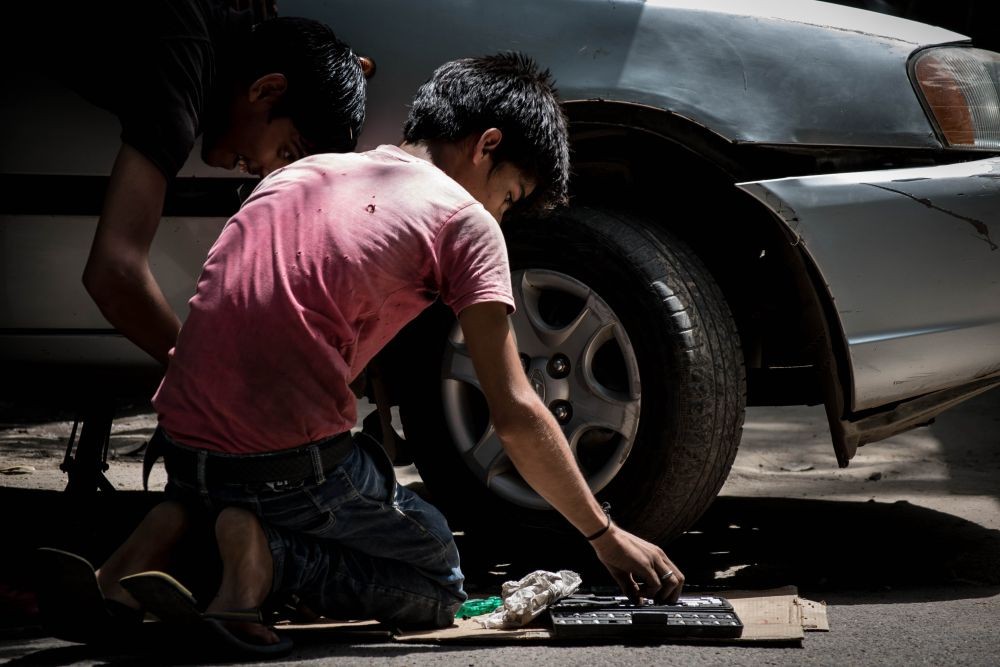
Child labour is a complex issue that has an unpleasant effect on the health and well-being of the child. Child labour in Nagaland is mostly related with working as a house helper or as a babysitter and not so much related with hazardous factory environment. But the abuse and trauma are no less in any situation/environment. Though child labour may provide short-term benefits for the families, it causes a cruel, inhumane, and degrading system of inequality in society.
In Nagaland, many villages, especially in the far-flung areas, the parents are not able to take up their responsibilities to nurture their own child due to extreme poverty and thus take the ultimate decision to hand over their beloved child to the strangers with a HOPE of a bright future for the children through education and exposure to the new towns of opportunities. The act done here is the sacrifice of the parents and not selling off their child into a bond of Child Exploitation. There must be a mutual benefit from both ends, where the Child helps with household chores or babysitting, and in return, the child gets the love and care from the owners in the form of education or monetary help. And most importantly, the owner must provide the child with the love and warmth of the parents that the child so longed for.
There have been many instances in Nagaland where the abuse of children by the so-called caretakers of the children was reported. This cruel and inhumane act of some stains the reputation of the whole of Nagaland, contrary to the general view about the Nags being hospitable and generous people. Some get the highlight in the news, but many still go unreported, and the abuse continues. To do away with any system in a society, it is important to carefully understand the root-level situation and come up with a solution to deal with it. The poverty in villages is something which cannot be eradicated overnight, and so is the need of the working parents and aged people in many towns and cities to have a helper whom they can rely on with full trust to hand over the care of their precious babies and delicate aged parents. The mode of service exchange here should be of mutual benefit to both parties. And not the caretakers abusing and exploiting the young service givers.
Any form of abuse must be reported to the NGOs and the department concerned for the Child Care. The government should sanitise the general public with toll-free numbers and other means through which it can reach the uneducated parents to protect their child when in need, by taking the help of the concerned departments to get justice. Every child is precious. The Naga society will be a true progressing state when every individual, regardless of age, gender, social status, or tribe be included as ONE and strives together for the growth of Nagaland.