IANS File Photo
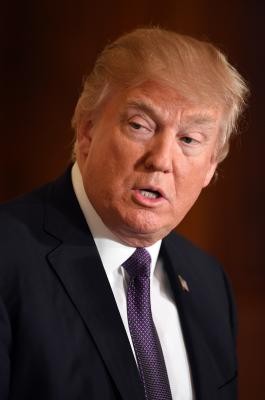
Washington, December 12 (IANS): A diplomatic confrontation erupted in the American hemisphere after President Donald Trump criticised his Colombian counterpart Gustavo Petro over drug-trafficking concerns, prompting the latter to extend an unexpected invitation for Trump to visit.
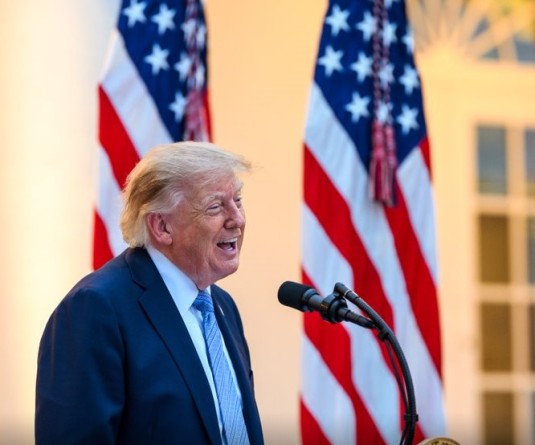
During the White House briefing, Press Secretary Karoline Leavitt was asked about Trump’s remark that Colombia’s president “better wise up or he’s going to be next,” referring to crackdowns on global narcotics networks. Leavitt said she had just learned of Petro’s invitation for Trump to come to Colombia and would “let the President speak directly to it.”
As for Trump’s warning, Leavitt said the President responded to “alarming and frankly insulting things” said by Petro toward the United States. “The President does not like it,” she said.
The exchange comes as Trump seeks to intensify operations against drug cartels in the Western Hemisphere. Leavitt stressed that “stopping the flow of illegal drugs into the United States” is a central priority, noting that narcotics have “killed hundreds of thousands of Americans.”
She highlighted that Trump had promised to “demolish the foreign terrorist organizations and drug cartels around the world, especially right here in our own hemisphere,” and argued that his administration is “delivering on that promise.”
The press briefing also touched on Venezuela, where US forces seized a tanker carrying sanctioned oil believed to be tied to Iran’s Islamic Revolutionary Guard Corps. Leavitt said the administration is committed to “effectuating… sanction policy” and would not allow “black market oil” to fuel criminal or rogue regimes.
Petro’s unexpected invitation signals a complex diplomatic moment. While Colombia has long partnered with Washington on anti-narcotics operations, Petro has at times criticised Trump’s policy approaches, seeking alternatives to decades-long militarised strategies.
Notably, India maintains cooperative security channels with both the United States and Latin American governments on narcotics interdiction. New Delhi closely monitors changing US drug-interdiction strategies because they influence global trafficking routes, including maritime corridors that have increasingly featured in Indian enforcement operations.