Kiphire, April 16 (MExN): A two-day national seminar on GST 2.0 concluded at Zisaji Presidency College (ZPC), Kiphire, on April 15, alongside a capacity-building programme on market linkage and financial literacy for local micro-entrepreneurs.
The GST 2.0 seminar brought together teachers, researchers, local leaders, and students to discuss the role of the revised tax system in India’s vision of becoming a developed nation by 2047.
As per on ZPC release, experts at the seminar noted that GST 2.0, introduced in late 2025, aims to simplify the tax structure and support economic growth.
Key features highlighted included the removal of the 12% tax slab and the retention of lower tax rates (0–5%) on essential goods, which were said to benefit households.
Speakers also pointed to improved digital processes, such as pre-filled returns and faster refunds, which are easing compliance for MSMEs. The reforms were further linked to promoting green growth and enhancing transparency in taxation.
In the North-East context, experts observed that Nagaland stands to benefit as a consumer state, with local products such as Assam tea and Naga handlooms gaining competitiveness in wider markets.
However, challenges remain, particularly for rural traders facing poor internet connectivity and limited digital literacy, the release added.
Concerns were also raised regarding rising input costs in agriculture, the need for improved infrastructure, and shortages in tax administration personnel while high taxation on luxury goods was flagged. There was also call for further simplification of the system.
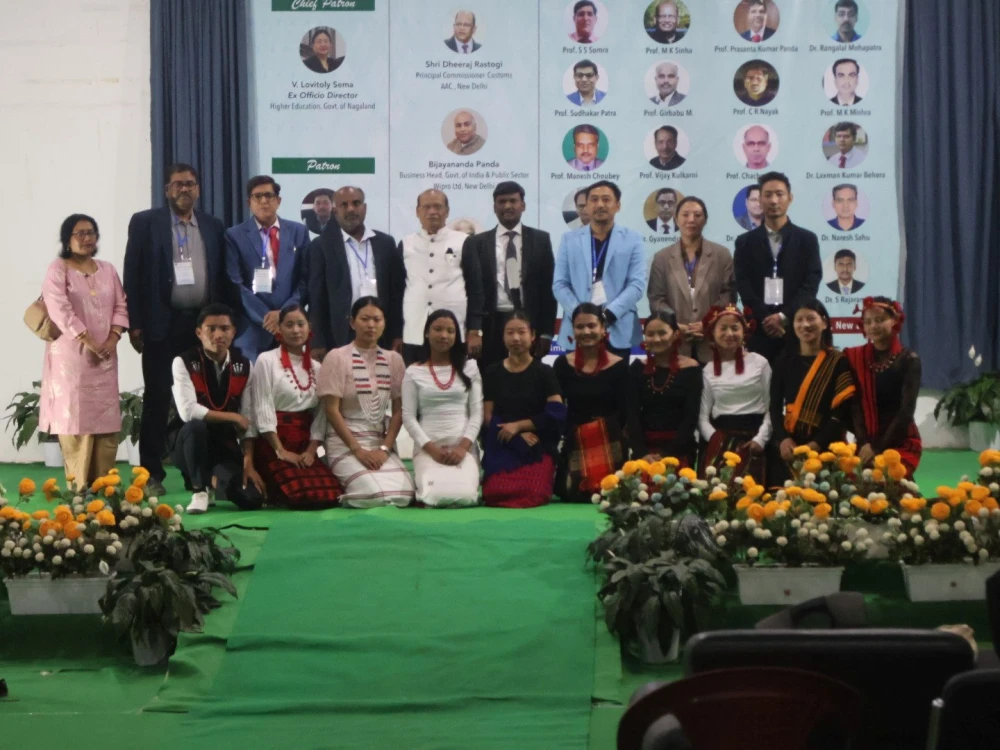
The seminar, supported by the Indian Council of Social Science Research, concluded with recommendations for grassroots interventions, including simplified GST guides in local languages and improved digital access in remote areas, the release added.
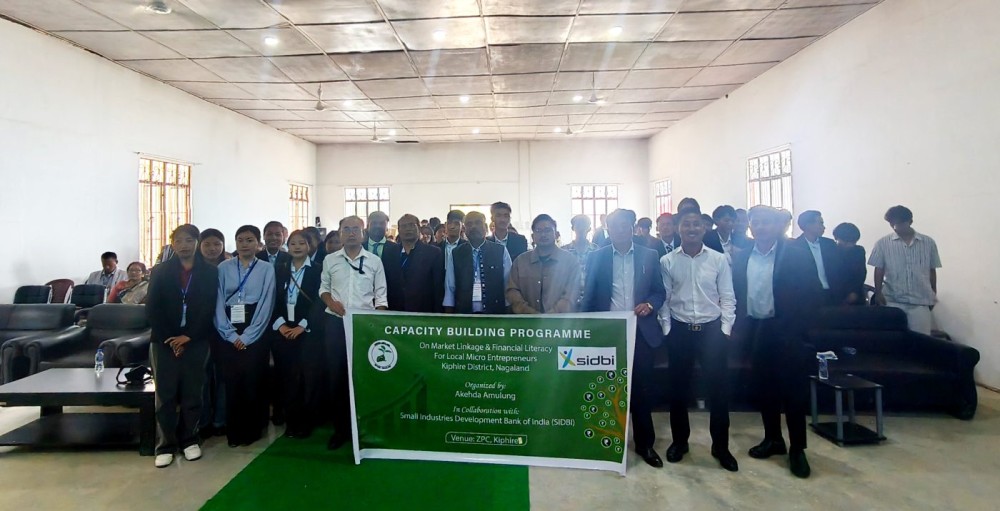
Meanwhile, a capacity-building programme on market linkage and financial literacy was organised at ZPC, Kiphire, by Akehda Amulung in collaboration with the Small Industries Development Bank of India (SIDBI).
Resource person Aketo V Sangtam, President of the Local Shopkeepers Union, Kiphire Town, highlighted structural issues in the local economy, noting that a majority of locals primarily engage in withdrawals rather than savings or investments, while non-locals account for most deposits. He described this trend as a shift in the local economic pattern.
Encouraging greater local participation, he emphasised the need for investment within the district and urged youth to explore entrepreneurship beyond government employment. He noted that only a small proportion of registered shopkeepers are youth and called for increased involvement. He also pointed to a positive shift in agriculture from subsistence to income generation in recent years.
Stressing financial literacy, he highlighted the importance of understanding money management, savings, and income growth, adding that sustainable development requires patience and collective effort. The programme also included a networking session for participants to exchange ideas.
In his closing remarks, Longtili C Sangtam, founder of Akehda Amulung, thanked SIDBI, the resource persons, and participants, and reaffirmed the organisation’s commitment to community development in Kiphire.