Kevile Dolie
Kruoliezou, Kohima
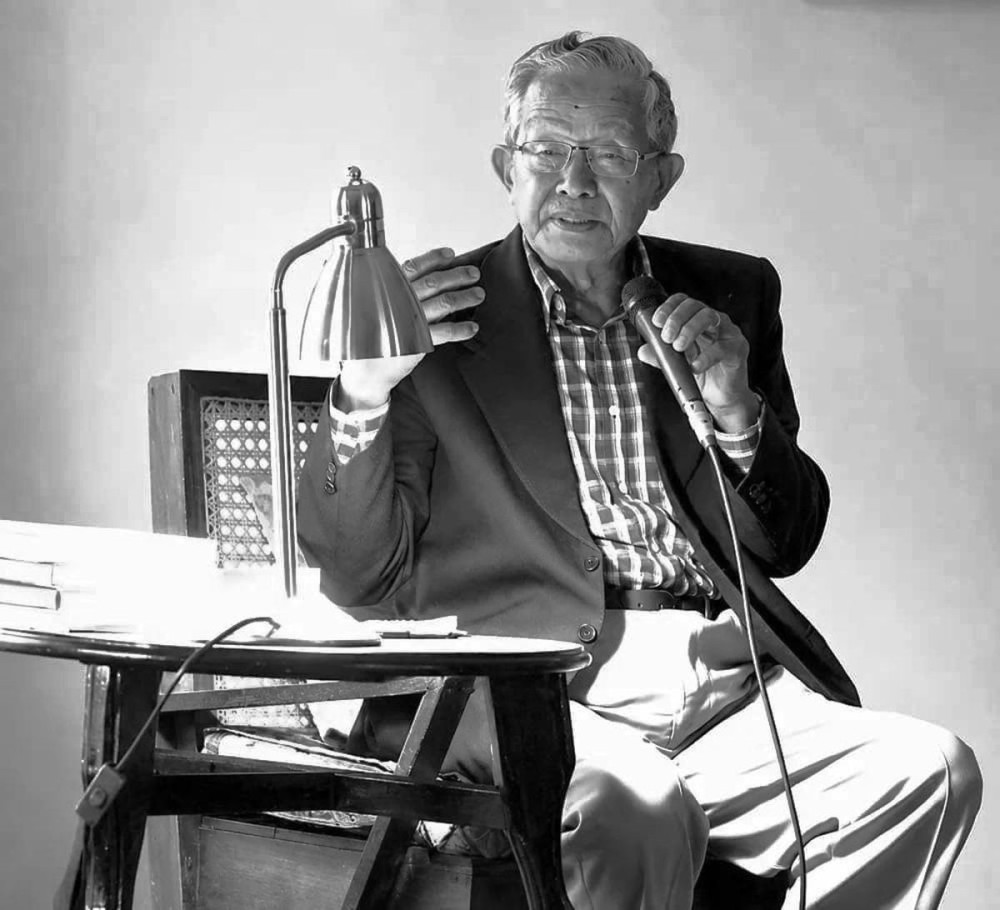
The first time I had personally met Apfütsa Niketu Iralu was at a Red Cross Program in Kohima on May 8, 2024. The theme of that day was about ‘Keeping Humanity alive’.
Niketu Iralu spoke about the need for healing, not only physical wounds but to heal the soul from hate and fear. He stressed about the ills of Naga society, and stated that governments and underground groups cannot be the only ones blamed for the harm caused. Society also has a responsibility. The internal divisions and ills within a society are not created by a government alone, and he stressed that if we truly want peace; every part of humanity has to change. He also praised the Nagas on how our people are passionate to do what is right; but pointed out that we Nagas do what we ‘think’ is right.
Niketu’s words made me think about the importance of negative peace and positive peace.
Negative peace is when the fighting stops. But the absence of fighting is only one form of peace. The guns fall silent, but the structural harms and scars from conflict remain. Positive peace seeks to address these matters, and asks us to heal from violence, address injustice, rebuild trust, and build institutions and attitudes to sustain peace. This matter was something Niketu identified, and is especially important when we come to the topic of generational trauma.
At first, one might ask: How can I carry the pain of a war I have never experienced? A child may never have seen a battlefield, witnessed violence, or lost someone to war, yet the war can still be present in their life. It lives in the stories told at home, in the names of relatives who never returned, in the silence of a parent who cannot speak about what happened, and in the fear or mistrust passed on towards other communities. Such pain can travel in many ways. For those who lived through the Indo-Naga War and the conflicts that followed, much of that pain was carried back into their homes. Trauma is difficult to process, especially when people have little opportunity to properly grieve, seek justice, or heal. Their children grew up around that pain, seeing its effects and inheriting attitudes, fears, mistrust, and sometimes anger. In turn, they can carry these wounds into their own relationships and pass them on again. That is why the end of a war does not necessarily mean the end of its consequences.
Pain that is not transformed is pain transferred.
If we do not confront and transform our pain, we can unknowingly hand it to the next generation—a wound they inherit without ever knowing where it began.
This generational trauma and the need for positive peace was something Niketu realised, and he did much work towards achieving these goals.
I had a more personal encounter with Apfütsa Niketu Iralu at his house on the 21st of May that same year. I remember him as welcoming, and genuinely interested in my concerns and questions. He talked about how the world was changing so fast, and Phizo recognizing the need for Nagas to secure their place in this new world. He also taught me a lot about the Naga independence struggle, and pointed out that Nagas are not secessionists. The Nagas had declared their freedom on August 14, and did not say Jai Hind on the 15th of 1947. Niketu also pointed out that while Nagas cannot defeat India on the field of battle; the Nagas should continue to defend their truth and history; and the narrative and facts of the Naga people should not be messed with.
The last time I saw Niketu Iralu was at an event held in his honour in Jotsoma, remembering his work for peace while also confronting the painful history of our past. Much of that event returned to the wounds left by past conflicts - the internal divisions, trauma, drugs and grief that affected generations, and the suffering that continued long after the fighting itself had ended.
Niketu did not spend his life pretending that the Naga’s painful history should not exist, but what we should do with it. Would we allow our pain to become another generation’s pain? Or would we transform it?
That is the real challenge of peace.
Peace is not forgetting. Peace is not pretending that nothing happened. Peace is not asking victims to simply forgive and move on. Peace means having the courage to face what happened, tell the truth about it, grieve what was lost, seek justice where it is needed, and then find a way to prevent that pain from becoming the inheritance of our children. Niketu spent his whole life working towards that kind of peace.
He did tremendous work, and his legacy is not simply the words he left behind or the events he attended. His legacy is the responsibility he leaves with us. Martin Luther King Jr. once called on us to “make a career of humanity.” In many ways, that is what Niketu did. His life was devoted to reminding us that beneath our histories, identities and divisions, there remains a shared humanity that must never be forgotten. He spent his life serving that humanity. He can rest now; may we carry his work forward.