Beyond the Plug: Why Electricity is a Fundamental Right, Not a Luxury
Er Limhathung Ezung
Dimapur
In the 21st century, the debate surrounding electricity often oscillates between utility economics and human rights. Utility departments frequently draw parallels between power consumption and gasoline for automobiles, arguing that electricity is a commodity to be metered and managed like fuel. However, this comparison is fundamentally flawed. While owning a car or purchasing fuel remains a lifestyle choice, access to electrical power has transformed into an absolute baseline for human survival, economic vitality, and social participation. In an era defined by rapid scientific advancement, digital connectivity, and climate extremes, power is strictly an essential service, not a luxury.
1. Advancement in Science and Technology
The trajectory of human evolution over the past century has been dictated by breakthroughs in science and technology. From automated healthcare equipment and smart agriculture to modern education platforms, every advancement relies on a stable electrical grid. Technology is no longer an optional overlay on human life; it is the structural backbone of daily operations. When modern medical facilities require continuous power to operate life-saving equipment, or when digital infrastructure enables administrative governance, power ceases to be an amenity. It serves as the foundational fuel for human progress.
2. An Indispensable Necessity vs. The Automobile Fallacy
A frequent line of reasoning from power distribution departments compares household electricity usage to fuel consumption in vehicles. The logic suggests that just as consumers pay per liter for fuel to drive higher distances, they should treat electricity as a flexible expenditure—consuming more only if they can afford it.
This argument collapses under scrutiny:
• Choice vs. Survival: Owning an automobile or taking private transit is a logistical choice; public transport, walking, or alternate commuting methods exist. In contrast, there is no alternative to electricity for basic living needs like light, ventilation, refrigeration, or digital connectivity.
• Basic Human Function: A family can survive without a car, but living without power in a modern socio-economic environment severely compromises health, sanitation, and safety.
• Economic Inequality: Treating electricity like automobile fuel penalizes low-income households by treating basic thermal comfort and connectivity as optional “extra usage.”
3. The Nagaland Perspective: Commercial Growth and Power Dependency
In the state of Nagaland, the transition from traditional living to modern infrastructure has accelerated power dependency. Urban and semi-urban hubs are witnessing a steady proliferation of commercial establishments—shopping complexes, retail outlets, service centers, and small-scale industries.
While commercial growth drives the state’s economy, it also places unprecedented strain on the existing grid. Businesses cannot function without reliable electricity for lighting, point-of-sale systems, refrigeration, and security. Consequently, power interruption is no longer merely a domestic inconvenience; it directly halts local commerce and threatens livelihoods.
4. The Digital Surge: The Connectivity Imperative
The exponential growth of telecommunications—often termed the digital revolution—has completely redefined daily electricity requirements. The widespread adoption of smartphones and mobile internet has made digital access indispensable for education, banking, healthcare, and communication.
Smartphones are no longer devices of leisure; they are vital access points for government schemes, remote learning, and commercial transactions. However, keeping a population connected requires a continuous electrical supply—not just to charge individual devices, but to keep localized telecommunication towers operational. In a digitized society, power outages translate directly into communication blackouts.
5. The Ground Reality: Water, Climate, and Survival in Nagaland’s Plains
The essential nature of power is most apparent in Nagaland’s plain districts, including Dimapur, Niuland, and Chümoukedima. In these regions, two critical factors make electricity a daily survival mechanism:
[CRITICAL = SCORCHING SUMMER HEAT + GROUNDWATER RELIANCE
ELECTRICITY DEPENDENCY] (Requires 24x7 Fan/Cooling) (Requires Electric Pumps for Borewells)
1. Water Extraction: While water is the elixir of life, municipal pipe supply in these districts is often inadequate or absent. Borewells serve as the primary source of domestic water. Without electricity to run water pumps, households are instantly stripped of access to clean water for drinking, cooking, and sanitation.
2. Thermal Comfort and Health: The scorching heat and high humidity typical of the plains present severe health risks, particularly to infants, the elderly, and the sick. Running at least one basic ceiling fan continuously is not a luxury—it is a non-negotiable health requirement to prevent heat-induced illnesses.
6. Challenges: The Reality on the Ground
Establishing uninterrupted electricity in regions like Nagaland involves navigating complex operational and structural hurdles:
Challenge Category | Key Issues | Impact |
Infrastructure Deficit | Aging transformers, fragile transmission lines, and lack of modern sub-stations. | Frequent load shedding, voltage fluctuations, and prolonged blackouts. |
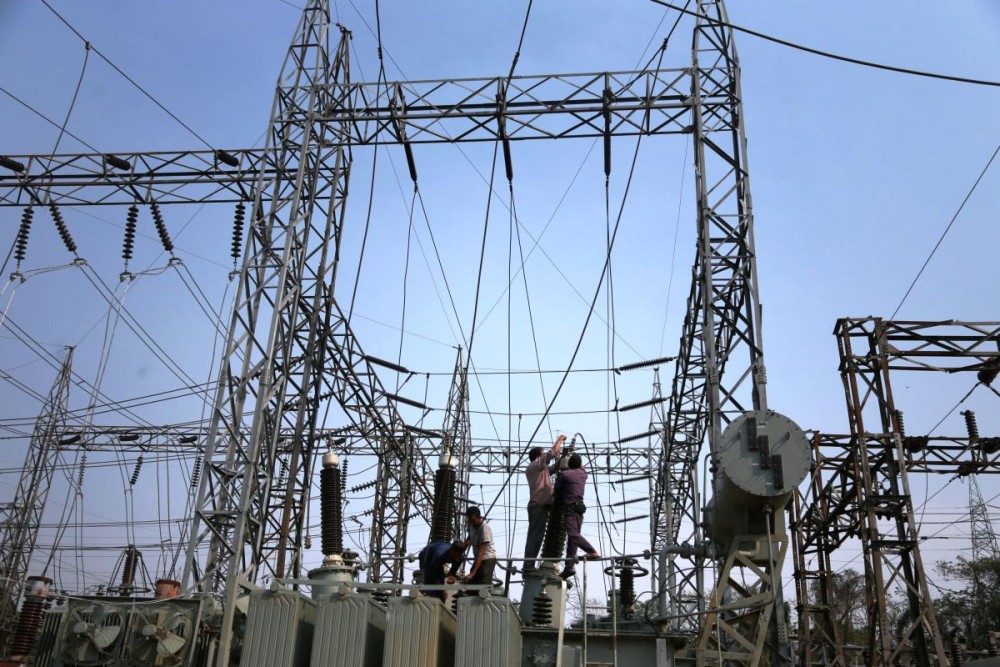
Geography & Climate | Difficult terrain, heavy monsoons, landslides, and dense forest cover. | Severe damage to physical lines and delayed repair times. |
Financial Aggravation | High aggregate technical and commercial (AT&C) losses, power theft, and delayed bill payments. | Fiscal deficit for power utilities, hampering infrastructure upgrades. |
7. The Mandate of an Essential Service and Consumers Roles
Under essential service frameworks, a utility is categorized based on its necessity to maintain public health, safety, and civil order. Classifying electricity as an essential service [The Nagaland Essential Services (Maintenance Act, 1978)]establishes a legal and moral obligation for the government to provide reliable, affordable, and uninterrupted access to every citizen.
To bridge the gap between demand and delivery, both the government and consumers must play active roles:
The Government’s Role
• Infrastructure Modernization: Invest in robust transmission networks, automated sub-stations, and smart grids capable of handling peak summer loads.
• Renewable Integration: Solar energy projects, particularly decentralized rooftop installations in plains like Dimapur, Niuland & Chümoukedima can supplement grid power during high-demand periods.
• Policy Reform: Ensure subsidized, lifeline electricity tariffs for low-income households so that baseline energy needs are met regardless of income level.
The Consumer’s Role
• Civic Responsibility: Timely payment of electricity bills and absolute avoidance of power theft or illegal hookups.
• Energy Conservation: Adopting energy-efficient appliances (LEDs, high-efficiency fans) and practicing responsible power usage to reduce unnecessary strain on the grid.
Conclusion
Electricity can no longer be evaluated through the narrow lens of commercial fuel sales. It is the lifeblood of modern society, directly governing access to water, health, communication, and economic stability. Classifying power as an essential service [The Nagaland Essential Services (Maintenance Act, 1978)] is not merely an administrative distinction; it is a commitment to public welfare and human dignity. For state like Nagaland, ensuring reliable electricity is fundamental to sustaining daily life and empowering future growth.