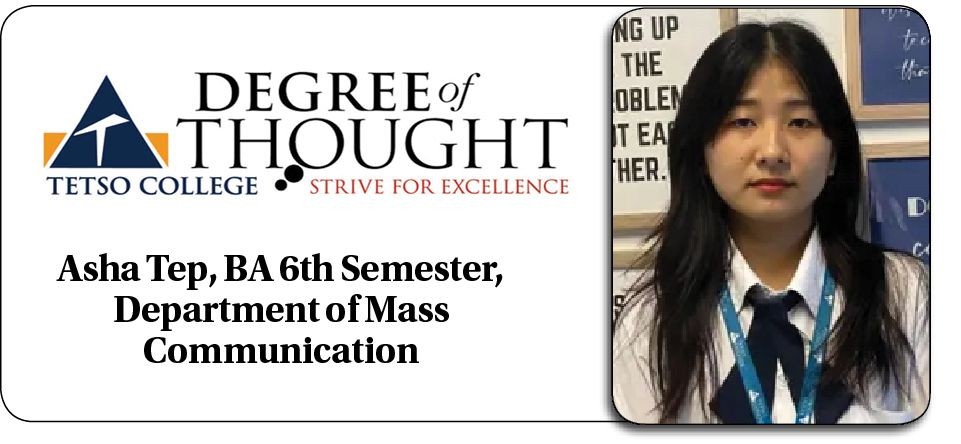
As students prepare to enter professional life, understanding ethics is essential to their development. Ethics go beyond following rules; they reflect the moral principles that guide behaviour, shape decisions, and influence reputation. Building integrity and responsibility is vital for earning trust, ensuring accountability, and contributing positively to society.
Why Ethics Matter
Ethics act as a moral compass, guiding professionals toward honest and fair decisions. In medicine, law, engineering, business, education, and public service, ethical standards are fundamental to maintaining public confidence.
In medicine, ethics protect patient autonomy and confidentiality. In law, they uphold justice. In engineering, they ensure safety and sustainability. In business, they promote transparency and fairness. Without ethical foundations, professional systems weaken, and public trust declines.
Unethical conduct can have serious consequences. Corporate fraud may result in financial collapse and reputational damage. Medical negligence can harm patients and erode trust in healthcare systems. Legal misconduct can undermine faith in justice. Beyond legal penalties, unethical behaviour often leaves lasting damage to individuals and institutions.
In today’s digital world, ethical lapses are quickly exposed through media and online platforms. A single mistake can spread widely and damage credibility. Therefore, ethical conduct is not only morally necessary but also essential for long-term professional success.
Core Principles of Ethical Practice
Most professions emphasise shared ethical principles that guide responsible conduct:
Integrity
Integrity involves honesty and consistency. Professionals must be truthful and reliable, as trust—once broken—is difficult to restore.
Responsibility
Responsibility means accepting accountability for one’s actions. Ethical professionals admit mistakes, correct them, and learn from them rather than shifting blame.
Fairness
Fairness requires impartial treatment and avoidance of bias. Decisions should respect the rights and interests of all stakeholders.
Respect
Respect involves valuing others’ dignity, listening to diverse perspectives, and maintaining professionalism in all interactions.
Competence
Ethical practice demands ongoing learning and skill development. Negligence or lack of knowledge can cause harm just as easily as intentional misconduct.
Together, these principles create a strong foundation for ethical awareness across professions.
Fostering Ethical Conduct
Ethical professionalism requires consistent effort and institutional support. Individuals and organisations can strengthen integrity through practical steps:
Adhering to Professional Codes
Understanding and following established codes of ethics guides in complex situations.
Seeking Mentorship
Experienced mentors can offer insight into navigating ethical dilemmas and professional responsibilities.
Promoting Transparency
Open communication about decisions and challenges builds trust and reduces misunderstanding.
Using Ethical Decision Frameworks
Carefully considering stakeholder impact and long-term consequences helps professionals make balanced choices.
Encouraging Ethical Culture
Organisations should model ethical leadership, establish clear policies, and create safe reporting systems. When ethical behaviour is recognised and supported, it becomes part of workplace culture.
Integrating Ethics in Education
Academic institutions play a critical role by incorporating case studies and discussions that prepare students for real-world ethical challenges.
Practising Self-Reflection
Regular reflection on personal values and biases strengthens moral awareness and guides responsible decision-making.
Broader Societal Impact
Ethical conduct benefits not only individuals but society as a whole. Ethical business practices support fair economic growth. Responsible engineering ensures safe infrastructure. Ethical leadership promotes accountability in governance. In healthcare and education, professionalism safeguards human dignity.
When professionals consistently act with integrity, public confidence grows. This trust strengthens institutions and encourages collaboration and innovation.
In the digital age, ethical responsibility has become even more urgent. Issues such as data privacy, cybersecurity, artificial intelligence, and misinformation require careful judgment. Professionals must balance innovation with social responsibility.
Global challenges like climate change and inequality also demand ethical leadership. Decisions made by professionals affect communities and future generations. Integrity and accountability are essential for building a sustainable and just society.
Ethics and Meaningful Careers
Ethics are not simply about avoiding wrongdoing; they are about shaping character and creating positive impact. A career built on integrity brings both professional success and personal fulfilment.
For emerging professionals, ethical growth is a continuous journey. It requires commitment to core values, lifelong learning, and thoughtful decision-making. Professional competence must be matched with moral responsibility.
Organisations and educational institutions share this responsibility by fostering transparent systems and encouraging ethical dialogue. Together, they help individuals act with clarity and confidence in complex situations.
Ultimately, ethical professionalism strengthens both character and community. When professionals act responsibly, they build trust, protect dignity, and support justice. Integrity becomes the foundation of meaningful and lasting success.
Building integrity and responsibility is not a one-time achievement but a lifelong commitment. Embracing this commitment ensures that a career is defined not only by accomplishments but by the positive difference made in the lives of others.
.
Degree of Thought is a weekly community column initiated by Tetso College in partnership with The Morung Express. Degree of Thought will delve into the social, cultural, political and educational issues around us. The views expressed here do not reflect the opinion of the institution. Tetso College is a NAAC Accredited UGC recognised Commerce and Arts College. The editorial team includes Chubamenla, Asst. Professor Dept. of English and Rinsit Sareo, Asst. Manager, IT, Media & Communications. For feedback or comments please email: [email protected]