Dr HN Dutta
Former Vice Chancellor, International University Nagaland
In face of India’s north east still under militancy, social threat, peace, happiness and loss of lives of innocents, the departure of Niketu Iralu, the prominent peace activist and advocate for dialogue and reconciliation from Nagaland, has created a vacuum in the field of social peace and justice in this part of the country. The narrow gauge of the ethnic or interstate conflicts often generating situations of social discrimination between states of this region, dwelling historically as brothers and sisters in the past, seem to have very often been curbed by the hegemony of social peace and harmony of the region. Niketu Iralu throughout his life was advocating for social peace of the region during such situations through reconciliation and dialogue which became his philosophy of life. His ideology was to eradicate social discrimination and dissensions by glorifying peace, unity and harmony—the basic human need for enjoying progress in life. He became the leading voice in the north eastern region of India for peace and reconciliation.
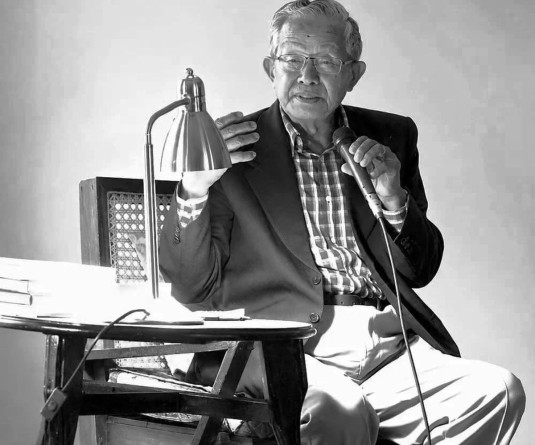
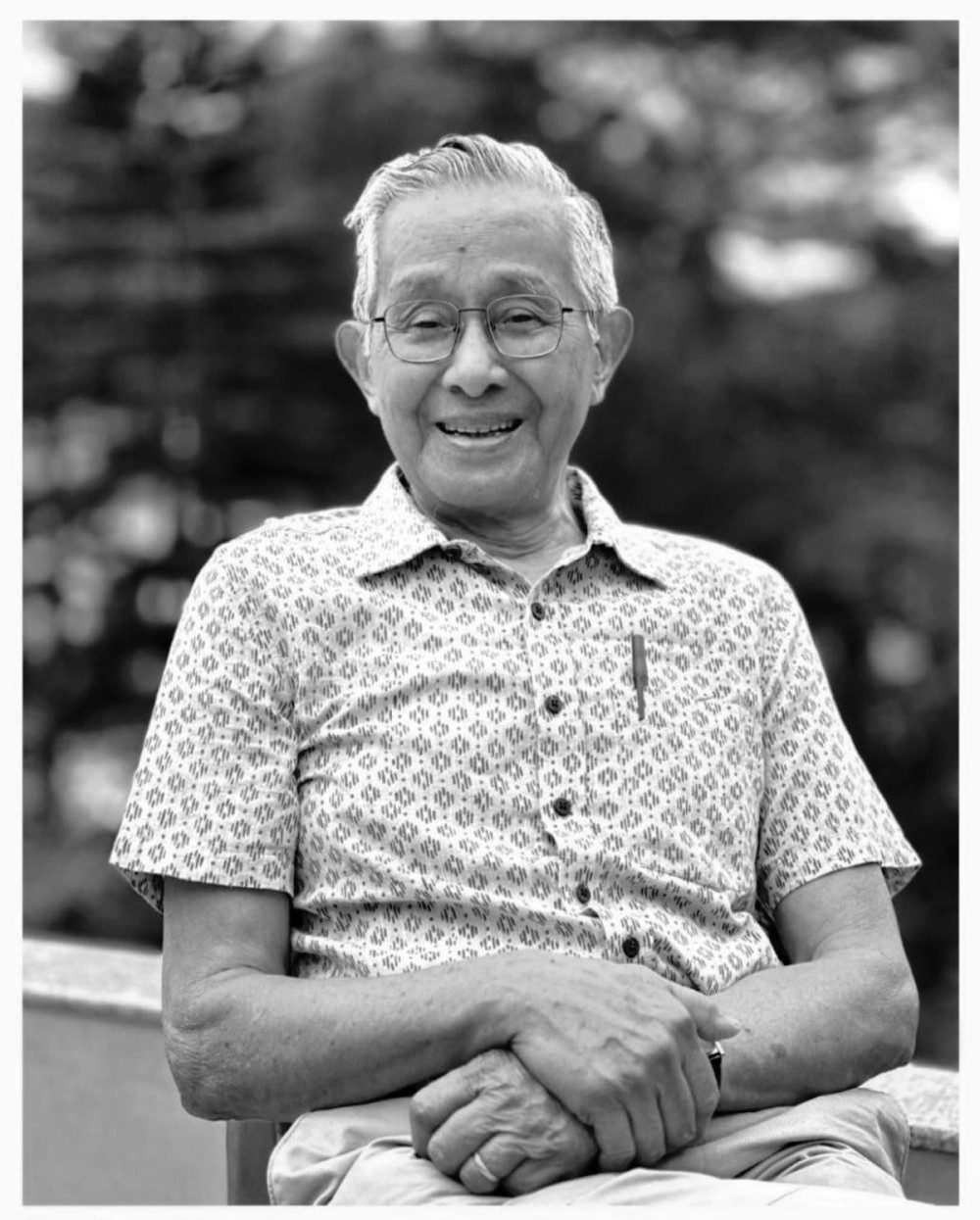
Born in 1935, Niketu Iralu left for his eternal abode on August 18, 2026, at 91 years. With his social outlook since his youth, he associated himself with the centre of the ‘Initiatives of Change’ while he was at Madras Christian College as a student during 1955. Later he became the Director of the Initiatives of Change (I of C) in Panchgam, Maharashtra. He devoted more than six decades to peace building, reconciliation and dialogue in Nagaland and in the North Eastern Region of India. Niketu Iralu became the guiding force of the Forum for Naga Reconciliation and became the Chairperson of the Naga Reconciliation Commission. He involved so much in peace activities that he named his home at Sechu Zuhza village in Kohima District as ‘Kerunyu ki’ meaning “House of Listening”, where he was staying with his wife Christine. He transformed his home into a space for dialogue and reconciliation. His home, for him, became a place of peace, reflection, and healing. His home as such was frequented by leaders and negotiators who approached him with their arguments from across the country and abroad. Besides, various people and leaders from different communities sought his counselling for reconciliation at his home. His messages from ‘Kerunyu ki’ were truly relevant for the future of Nagaland. The view of Niketu Iralu was that there should be one who listens to the grievances of the aggrieved for finding out a solution through a dialogue for peace and progress.
His role in conflict resolution was more crucial for him in his own State, Nagaland. For this, he remained most active in restoring peace and justice for all sections of the Nagas through dialogue and reconciliation throughout his life. He devoted himself to generating mutual trust and social harmony in place of racial conflicts and dissensions across political and ethnic divides in Nagaland. He had to be deeply instrumental in conflict resolution in Nagaland, into which he had entered through the Forum of Naga Reconciliation (FNR). The FNR was a powerful Naga organization devoted to the work of bringing Naga warring factions closer to one another. Although there was no ideological conflict among the workers of the Naga National Movement, differences of opinion surfaced on such issues as leadership and resource management etc. Niketu Iralu, choosing among them his ideology of peace and non-violence with Christian principles of love and forgiveness, settled their disputes keeping the interest of the future peace and progress of Nagaland as his chief goal and offered his dialogues bringing satisfaction also for the Naga National Workers. His role had brought joy and happiness to many Naga families. For such endeavours, Niketu Iralu will be ever remembered with a slogan of peace in Nagaland and beyond. He professed that “The Nagas must learn to love one another and learn to forgive one another, and then this will open the door to endless possibilities.” So philosophical was his vision in life.
Historical tradition has it that conflicts between villages or groups or social factions existed in Nagaland since the past and there could be a number of reasons. During recent times, for the prevalence of such an ideology of peace and reconciliation, such village conflicts and other social dissensions ceased to continue for long. Such village conflicts are resolved through dialogues and reconciliation which happily come to an end in community feasts between such villages, paving ways for peace, progress and enjoyment of life.
Niketu Iralu was most concerned to save the Naga young generation from the menace of alcohol and drug abuse, narcotic trafficking, besides from the onslaught of HIV, of which Nagaland was once a hub. He was the visionary of bringing Naga Mothers Association and Kripa Foundation, Mumbai together and led to the establishment of Mount Gilead Home at Sechu-Zubra and became its Director and Counsellor to confront drug and alcohol addiction and controlling HIV in Nagaland. He was also the Director of Moral Re-armament at Asia Plateau and saved Nagaland from the growing crisis of drug addiction. He held up a holistic approach for recovery of the victims by addressing their physical, mental, spiritual, and emotional needs while undergoing their treatment besides providing long term rehabilitation. For such futuristic works in society, the Department of Social Welfare, Government of Nagaland, honoured Niketu Iralu as the Distinguished Senior Citizen Award in 2019. For providing cross border community trust, Niketu Iralu was awarded the Rotary Peace Award in 2018. He had received the Lokapriya Gopinath Bardoloi Award for National Integration in 2006 and also the U.N. Brahma Foundation Soldier Award of Humanity in 2011.
In 2023, Dr Bhupen Hazarika Trust, Guwahati, awarded Niketu Iralu the Dr Bhupen Hazarika Integration Award “Samannaya Bota”—commemorating the 97th birth anniversary of Dr Bhupen Hazarika in a ceremony held at DR Golaghat for the lifelong activities for establishing peace and harmony in Nagaland and beyond. Accepting the Integration Award from Dr Surya Kanta Hazarika, the President of the Asom Sahitya Sabha, Niketu Iralu said, “Dr Bhupen Hazarika was a powerful voice of the country,” whose songs and voice have mesmerized people from all walks of life in the world. The songs of Dr Bhupen Hazarika carry with them the message of time and will continue to influence our society to grow. He also recalled Dr Bhupen Hazarika as a cultural ambassador for peace and pointed out how Dr Bhupen Hazarika, by singing his ‘manuhe manuhar babe’ in Nagamese, Assamese, Hindi, and Bengali, initiated peace and harmony in Nagaland during 1964—a period when social unrest threatened security of lives in Nagaland for growing political conflicts among different factions of Nagas on the principle of self-determination.
Awarding Niketu Iralu with the Samannaya Bota in memory of Dr Bhupen Hazarika was a worthy decision in many respects. This award will further stimulate the historical Naga-Assamese relationship. Niketu Iralu was junior to Dr Bhupen Hazarika by ten years. But both worked relentlessly with the same objectives in their own ways for promoting peace, harmony and brotherhood in society. Honouring Niketu Iralu with the Bhupen Hazarika Integration Award, ‘Samannaya Bota’, we honour the truth that the North East India needs both—a song to unite our hearts and a dialogue to heal our divisions. If Dr Bhupen Hazarika wove the North Eastern Region together with the timeless harmony of his music, Niketu Iralu has stitched its wounds together with his patient courage of dialogue and forgiveness. One gave us the song of integration and the other gave us the grammar of reconciliation—both indispensable, if the Northeast India has to glorify its historical unity and brotherhood to secure the future of the region covered by the same geo-spatial, ethnical and cultural spectrum dotted with mutual understanding, trust, belief and glorifying practices of the days of yore.
.jpg)