Dr Hawaibam Birla Singh and Dr Rajkumari Mandakini Devi
Department of Veterinary Microbiology,
College of Veterinary Science & AH, Jalukie, Central Agricultural University-Imphal.
Introduction
The ability to edit DNA with pinpoint accuracy is no longer a dream—it’s happening in hospitals, farms, and factories today. In just the past two years, the first CRISPR therapy has been approved, dozens more are in clinical trials, and the tools keep getting sharper and more powerful. But with great power comes intense responsibility. Here are the biggest breakthroughs—and the ethical firestorm they’ve ignited.
CRISPR Goes Mainstream: Approved Therapies Are Here
In December 2023, the FDA approved Casgevy, the world’s first CRISPR-Cas9 therapy, for sickle cell disease and beta-thalassemia [1]. By late 2025, hundreds of patients—mostly in the U.S., UK, and Gulf countries—have received the treatment. Many are essentially cured, free from lifelong transfusions and excruciating pain crises for the first time in their lives [2].
More than 30 additional CRISPR and base-editing therapies are now in human trials for blindness, HIV, high cholesterol, muscular dystrophy, and several cancers [3].
New Tools: Safer, Smarter, and More Versatile
• Base editing fixes single-letter DNA errors without breaking the strand. New versions (A&CBE, CGBE) can now correct nearly every known disease-causing point mutation [4].
• mvGPT, a 2024 breakthrough from the University of Pennsylvania, lets researchers activate, silence, or delete dozens of genes simultaneously in one experiment—perfect for tackling complex diseases [5].
• In agriculture and the environment: CRISPR pigs resistant to deadly viruses are already on farms, drought-tolerant rice is feeding millions, and bacteria that eat plastic 10× faster are moving to industrial scale [6][7].
The Ethical Storm: Where the Real Debate Is Happening
Every leap forward brings sharper ethical questions. Here are the biggest ones dominating headlines and policy rooms in 2025:
1. Germline Editing & “Designer Babies”
In 2018, Chinese scientist He Jiankui shocked the world by creating the first gene-edited babies. He was imprisoned, and the global scientific community condemned the act. Yet in 2024–2025, Russia, China, and a few private clinics in less-regulated countries have quietly resumed early-stage human embryo editing experiments [8]. Many fear a new era of “liberal eugenics”—parents choosing height, intelligence, or appearance—could deepen inequality and create a genetic divide between the wealthy and everyone else.
2. Equity and Access
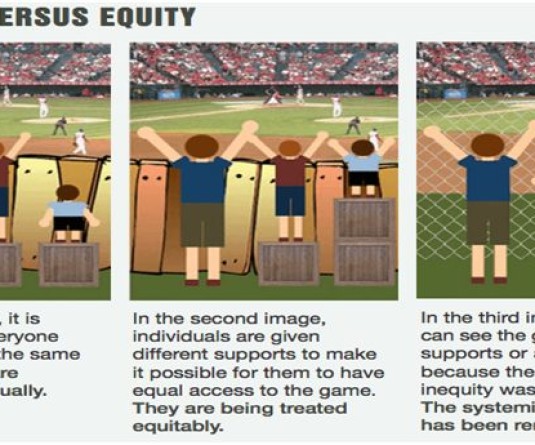
Casgevy costs approximately $2.2 million per patient in the U.S [9]. Even though sickle cell disease disproportionately affects people of African descent and those in low-income countries, almost all treated patients so far are in wealthy nations. Critics call this “genomic apartheid” and demand global pricing reforms and technology transfer.
3. Off-Target Risks and Long-Term Safety
While newer tools are far more precise, no system is 100% perfect. Rare off-target edits could, in theory, trigger cancer decades later. Regulators and companies are wrestling with how much risk is acceptable—especially for children who will live with the edits for 80+ years.
4. Dual-Use Danger (Bioterrorism)
CRISPR kits are now cheap (under $200) and widely available. In 2025, a DARPA report warned that a sophisticated actor could engineer pandemic-capable viruses in a garage lab within months[10]. Calls for tighter controls on DNA synthesis companies and “gene drives” that spread edits through entire species are growing louder.
5. Consent in the Womb
When editing embryos or fetuses, the patient can’t consent. A 2025 UK Nuffield Council report asked: “Who gets to decide what counts as a ‘serious’ disease worth fixing—and what counts as an enhancement society should forbid?” [11].
The Path Forward
Scientific bodies, governments, and the United Nations are racing to update guidelines. The 2025 International Summit on Human Genome Editing called for:
• A moratorium on heritable edits until safety and societal consensus are achieved
• Mandatory global registries for all human embryo research
• Affordable pricing commitments from companies receiving public funding
Meanwhile, patients with devastating genetic diseases continue to ask: “If the technology is ready and can save my child, why should ideology or fear stop us?”
The code of life is now editable. The question humanity must answer in the 2020s is not whether we can rewrite it—but whether we should, and for whom.
References
1.FDA Approval, Dec 2023, 2. Vertex/CRISPR Therapeutics patient updates, 2025, 3. CRISPR Medicine News registry, Nov 2025, 4. Nature Reviews Genetics, 2025, 5. Gao et al., Nature 2024, 6. Genus PLC & USDA reports 2024–2025, 7. Nature Catalysis, 2025, 8. MIT Technology Review investigations, 2025, 9. ICER pricing report, 2024, 10. DARPA Biological Technologies Office, 2025, 11. Nuffield Council on Bioethics, 2025 report.