Photo Courtesy: Image by Alf-Marty from Pixabay | For representational purpose only
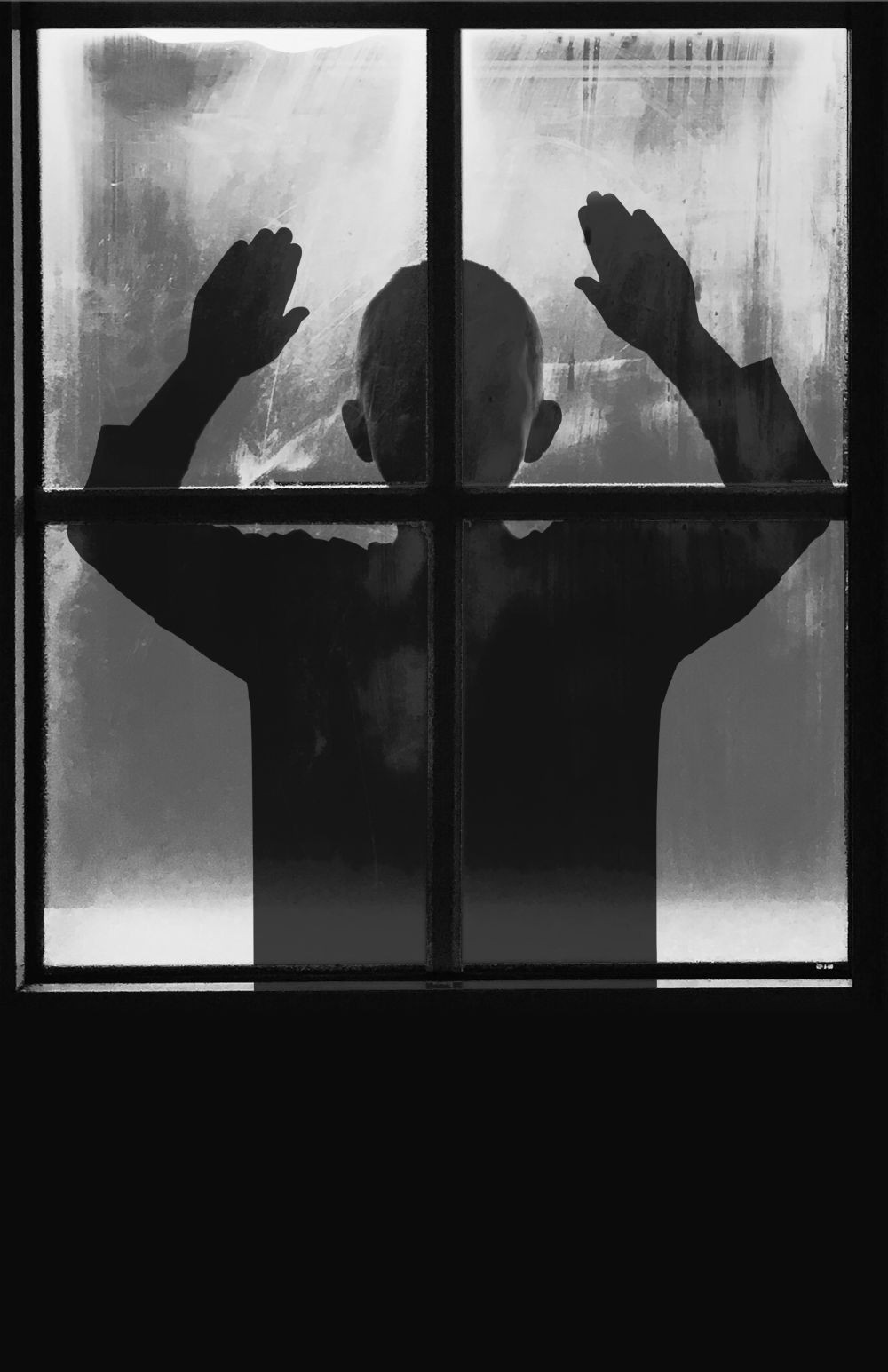
“Children in Conflict with Law may not just be criminals or offenders; they may also be Children in Need of Care and Protection” - child case worker
Ketholeno Neihu
Kohima | September 4
Seventeen-year-old Khrie comes from a broken family, while his peer, Do-o, had fled home for Kohima after his father refused to buy him a phone. Speaking about the backgrounds of the two adolescents, the NGO case worker noted that many psychological and behavioral issues can take root in childhood.
According to State Child Protection Society (SCPS) official, Raitale Zeliang, denser urban areas such as Dimapur and Kohima report higher numbers of juvenile cases, predominantly involving boys. While offences are increasingly being reported among those aged 16 to 18, cases involving younger juveniles are also on the rise.
Following consultation with the District Child Protection Unit (DCPU), Khrie and Do-o were placed in an Observation Home while the legal process proceeded, the case worker explained.
A magistrate explained that a Children in Conflict with Law (CICL) is not lodged in jail after apprehension but is produced before the Juvenile Justice Board (JJB).
“After a CICL is apprehended, they are produced before the JJB. If bail is not granted immediately, they are kept in the Observation Home.”
Depending on the circumstances, a child may be released on bail or placed under the supervision of a probation officer or the care of a fit person.
However, in cases involving an alleged heinous offence by a child aged 16 or above, the JJB conducts a preliminary assessment of the child’s mental and physical capacity to commit the offence, ability to understand its consequences and the circumstances in which it was allegedly committed.
Only in cases where the Board determines, following such assessment, that the child needs to be tried as an adult is the matter transferred to the Children’s Court having jurisdiction.
Where a CICL is accused of an offence along with adult offenders, the cases are dealt with separately. The JJB handles the matter concerning the child, while the adult accused are produced before the appropriate criminal court. Depending on the circumstances, the child may be placed in an Observation Home or Place of Safety.
Institutional framework
In Nagaland, the SCPS official says the State Government has established DCPUs and Child Helpline Units across all districts. There are also 16 Child Welfare Committees (CWCs) and JJBs, ensuring that the statutory child protection mechanisms are in place.
Zeliang further informed that Nagaland has 80 registered Child Care Institutions under the JJ Act; 34 government-run and 46 NGO-run; along with three Child Help Desks.
These include Observation Homes, Special Homes, Places of Safety, Children’s Homes, Specialised Adoption Agencies and Open Shelters, each serving a distinct purpose.
A magistrate explained that a CICL may, in some circumstances, simultaneously be a child in need of care and protection. Such a child can therefore be referred to the CWC for appropriate care and rehabilitation.
The SCPS official explained that Observation Homes provide temporary care and rehabilitation to CICLs during the pendency of an inquiry, while Special Homes are meant for the rehabilitation of children found to have committed offences. Places of Safety accommodate specific categories of children or young adults in conflict with law who are accused or convicted of heinous offences.
Children’s Homes provide care, education, training, treatment and rehabilitation, including longer-term care where required. Open Shelters, the official said, provide short-term, community-based residential support to vulnerable children, including those who are homeless or living on the streets.
Specialised Adoption Agencies, meanwhile, are meant for orphaned, abandoned and surrendered children placed there by order of the CWC for adoption.
The official also pointed to the JJ Act’s provision for family-based, non-institutional care through sponsorship, foster care, adoption and after-care. Such alternatives are intended to facilitate the rehabilitation and reintegration of children within families and communities, rather than placing them in long-term institutional care.
Gaps in implementation
Despite the institutional framework, one official on grounds of anonymity pointed to gaps in infrastructure and manpower. One concern raised was the lack of adequate security measures and trained security personnel in Observation Homes and other child care institutions.
Although JJBs have been established across districts, the shortage of judicial personnel and the absence of Observation Homes in every district mean that children apprehended in some districts have to be transported to older or designated districts, despite a JJB being available locally.
Sharing experiences, the official also noted that many “CICLs come from poor families, broken homes or situations where parents have neglected their children. Such children may also fall within the category of CNCP.”
“This is where the community has a role to play,” the official said, stressing the need for communities to identify vulnerable children early and provide counselling, support and guidance before they come into conflict with the law.
While most districts handle only a handful of CICL cases each year, JJBs have been established across all districts and Observation Homes are available in most of the older districts. An official suggested that the Government could consider rationalising the number and location of JJBs and Observation Homes based on caseload and geographical requirements, thereby making better use of limited manpower and resources.
The gap after release
Another official observed that, procedurally, the major difference between CICL cases and regular criminal cases lies in the greater emphasis on bail and rehabilitative, rather than punitive, measures.
“I am sure most of us abide by the provisions of the JJ Act till the case is disposed,” the official said.
The larger concern, however, begins after disposal of the case or release of the child from custody. According to the official, there is little coordination among stakeholders regarding rehabilitation and reintegration.
“We don’t know what facilities or avenues are available for rehabilitating children. We are hardly ever informed or intimated, even when we reach out to them.”
The official recalled the case of three CICLs who had been placed in a Special Home in connection with a gruesome murder. Having kept in touch with them and visited them during the winter, the official found that the children were doing well and had learned various crafts.
But the concern remained about what would happen after their release.
“Without any support from the government, they will be released into the world after the expiry of their custody. Most people don’t want to work with CCLs given their history.”
For children who have already been through the juvenile justice system, rehabilitation therefore cannot end with the completion of their custody. Without continued support, skills, livelihood opportunities and community acceptance, the transition back into society can become another point of vulnerability.
Names have been left anonymous either at the individuals’ request or to protect identities.
Disclaimer: This report is part of the ‘Media Fellowship Initiative on Child Protection Awareness and Ethical Public Discourse’ series, supported by DKA Austria and implemented by Prodigals’ Home. The content is intended for public legal literacy and preventive awareness.