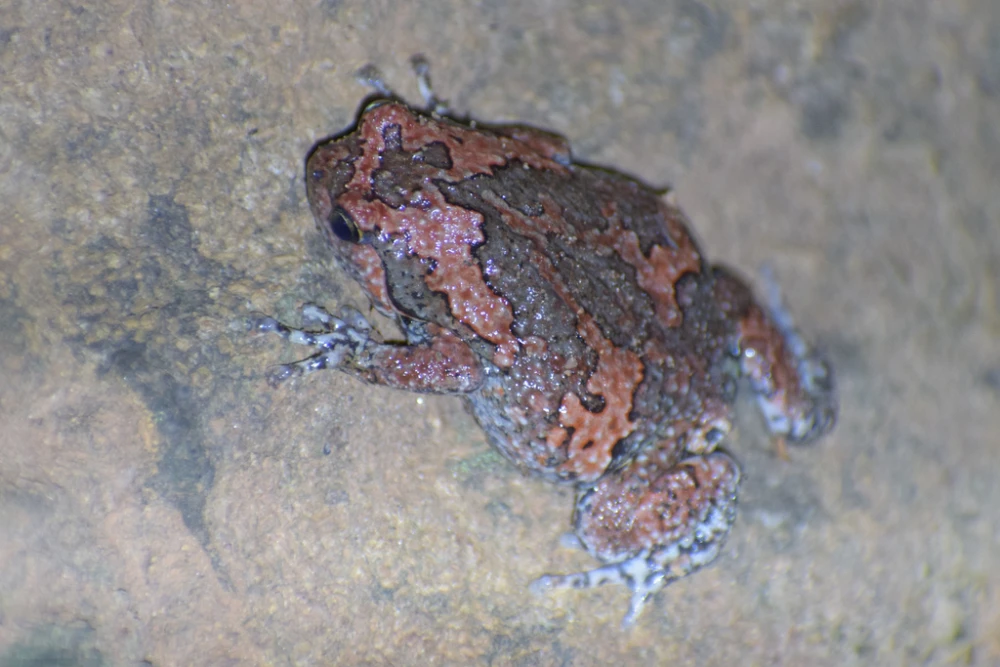
Photographer: Alen Alex
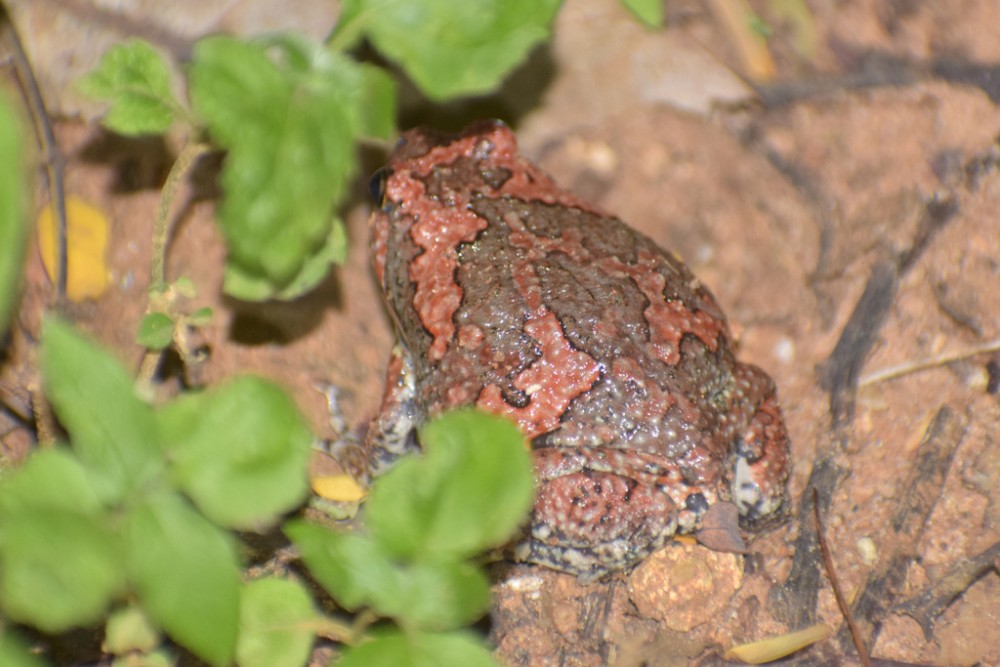
Debolina Banerjee
Northeast India is home to some of the world's most unique and rare species because it has so many different kinds of plants and animals. The Singing Frogs are one of the most interesting and least-studied of all the wonders. They are a group of amphibians known for their melodic voices and complex ways of communicating. These frogs sing in different rhythms than their more common relatives. Some even make sounds that sound like bird song or insect chirps. All other frogs croak.
A Symphony in the Rain
Indeed, it is in the dense forests and hilly landscapes of the Northeast that these musical frogs find their ideal haven. In the forests of Arunachal Pradesh, Assam, and Meghalaya, there are many types of music frogs. Some of them are new to science, like the rare Jerdon's Tree Frog (Hyla annectans) and the Bamboo Tree Frog (Chirixalus doriae).
During the monsoon, they make a magical symphony that echoes through the forest, like an orchestra made of living things. Male frogs use their calls to mark their territory, attract females, and even warn other frogs about possible dangers. In a loud mix of sounds, each species uses its own call to find other members of its own species.
The Exceptional Case of the Assam Painted Frog
The Assam Painted Frog (Uperodon taprobanicus) is one of the most unusual amphibians in the area because of its bright colours and strange mating calls. This frog makes a common mating call by whistling like a flute instead of making the low throat noises that most other frogs do. The calls are said to sound like insects to scare off predators without giving away their location, which leaves the door open for potential mates.
The Assam Painted Frog lays its eggs in tree hollows or leaf litter pools that are hard to find, while many other frogs lay their eggs in open water. This change makes it more likely that the tadpoles will live and less likely that they will be eaten, which is a very important strategy in forests with a lot of predators.
Unusual Communication: Clicking, Trilling, and Whistling
What sets them apart is the variety in the call structure of these frogs. Most amphibians use simple croaks, while these singing frogs of Northeast India came up with unique vocal strategies:
• Clicking Calls: In some species, such as the Bamboo Tree Frog, crisp clicking sounds, almost like snapping fingers, are emitted. Very frequently these are used consecutively to signal dominance.
•Trilling Songs: Frogs, like the Jerdon's Tree Frog, are known to utter trilling long notes, much like a cricket. These kinds of sounds travel further through thick forests and serve their purpose in communication.
•Whistle-like Tunes: Frogs, like the Assam Painted Frog, are known to produce melodious whistles. This may be an evolutionary trait for communication so as not to invite snakes or even birds.
The Challenges of Conservation
Even with such interesting adaptations, these special frogs are confronted with serious threats. Very few of these are currently threatened due to habitat loss caused by deforestation, agriculture, and lately, by climate change. Further, pollution and an increasing proliferation of fungal diseases such as chytridiomycosis, which has already caused widespread death in frog species throughout the world, may threaten many of these species.
Conservationists are trying to document and preserve these threatened amphibians before they actually disappear. Community education, wetland conservation, and habitat conservation programs are being initiated throughout the region. Scientists say that long-term observation of these species will be necessary to understand their ecological functions and ensure their survival.
A Hidden Treasure of Nature
The singing frogs of northeastern India remind us of nature's wonders. Complex calls, intriguing habits, and intriguing adaptations further highlight the complexity of life in one of the most biodiverse parts of the world. Save these natural songsters, primarily to maintain the delicate balance of ecosystems that depend on frogs.
The next time any of us find ourselves in the rainforests of Meghalaya, Assam, or Arunachal Pradesh, let's stop and listen. Their song is a nature reminder of a beauty that persists and deserves to be sought out and protected.
The writer is a zealous environmentalist and emerging conservationist with six years of experience working in the fields of Environmental Science, Wildlife Conservation, and Sustainable Management. Committed to promoting balance between individuals and the environment through evidentiary research, fieldwork, and activism.