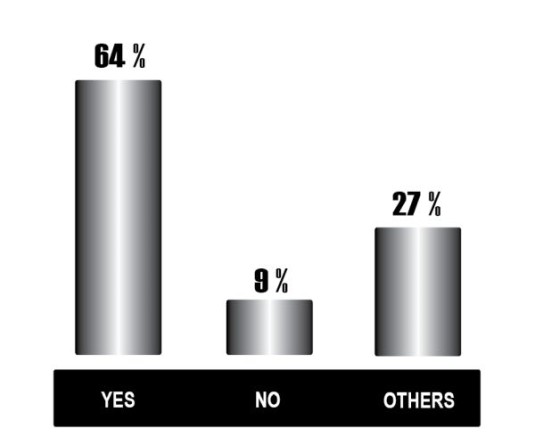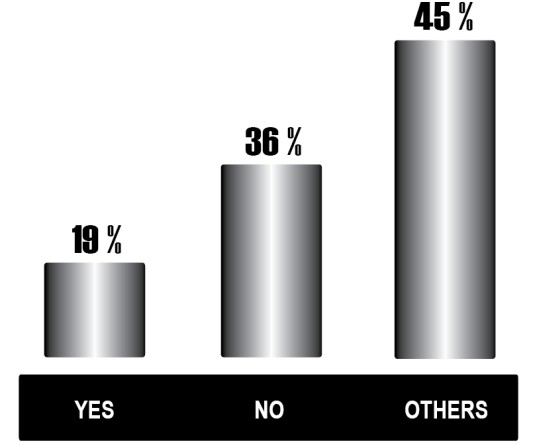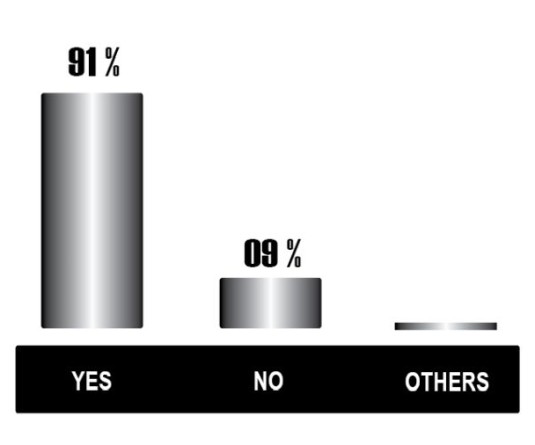
Yes:
• Children from very remote and economically weaker section of families staying with decent families in the Urban Towns and getting education should be fine. The guardians should be responsible enough to treat them kindly and the wards should willingly share in household chores of common interests.
• Education at all cost.
• Children can adopt things easily and get adjusted in a new environment, new set up, new set of people, and the work of course. Through this arrangement they develop resilience and strength to face any challenges in life. They will develop the important and required qualities of people management, self disciplined, work ethics, physical, emotional, mental and social challenges. Also they will learn to be respectful towards everything, everyone meaningfully, learn to earn money and respect, will develop moral values, and learn a value system, learn to survive well in all conditions. Yes, they may have a mentor who can support them in case they face inappropriate challenges such as sexual abuse or any other. Child’s physical and psychological development will be good.
No:
• Absolutely no because I have seen some heartless people treating them like as if they are some kind of work machine.
• Absolutely not, a child placed in household for domestic help with exchange for education (all governments school) is not an ideal thing we Nagas should practice, it’s sad to see that this is rampant all over Nagaland, you’ll see the upper middle class and rich people practicing this, this should not be encouraged, Government education in Nagaland (specifically high school level) is not a good educational institution, and it’s free, the only thing the child gets is the food and accommodation in exchange for their own happiness and nonstop chores. We don’t want outsiders calling us backwards, but everything we do is so backwards, matter of fact this should be illegal.
• Cases differ. But letting children live in strangers’ houses in exchange for education should be banned.
• Children can adopt things easily and get adjusted in a new environment, new set up, new set of people, and the work of course. Through this arrangement they develop resilience and strength to face any challenges in life. They will develop the important and required qualities of people management, self disciplined, work ethics, physical, emotional, mental and social challenges. Also they will learn to be respectful towards everything, everyone meaningfully, learn to earn money and respect, will develop moral values, and learn a value system, learn to survive well in all conditions. Yes, they may have a mentor who can support them in case they face inappropriate challenges such as sexual abuse or any other. Child’s physical and psychological development will be good.
• Domestic helper means first work and then study last.
• Domestic work is never a good option
• Education has to be top of everything.
• Even as someone who stayed at a hostel at a young age, I still yearn and wish I grew up alongside my parents. I feel like because of this reason I still feel detached and misunderstood because they were not present to witness how I grew up unlike my other siblings. Nevertheless thank God I was blessed with really good friends.
• Every child deserves free education, freedom and self determination.
• Except for some most of the owner of the house treat their domestic helper different then their own children.
• Exploration not enough time for studies
• I completely disagree. Like, no baby should be expected to grow up taking care of adults AND their babies. Kohima has way too much of this, I’m actually glad someone finally said it out loud. Some things really need to be called out.
• I do not agree with this arrangement. Every child has the right to education in an environment of safety, dignity, happiness and family support—not in exchange for domestic work. While every household may be different, such arrangements can sometimes lead to children being overworked and deprived of the time, freedom and care essential for their physical and psychological development.
• I have seen children being treated like slaves with no freedom at all!
• I personally have come across several students receiving education by working at people houses and out of 100, 80 of them are way much neglected than their fellow mates.
• If the families keep them to serve them then we can consider that as child abuse or you name it. No one has the right to let others serve you for unnecessary things. Serving is a much more broader term formally. It is a choice not a compulsion. Everyone has free will, but one shouldn’t misuse or take advantage of that free will. There must be equal understanding between the two parties.
• In any case, it is still child labour and it should be discouraged.
• In most cases there is harassment, emotionally, psychologically and sometimes physically. The child may get education but he or she has to deal with childhood trauma when they grow up.
• In my layman’s point of view, keeping children as domestic helpers in households in exchange for education has become a complex and detrimental scenario in our Naga society. While it may offer temporary financial relief, it fosters a false hope for the disadvantaged parents back home. They are led to believe their children are thriving physically and mentally while pursuing their studies, imagining a future where these children will one day lift them out of poverty. However, for the child, this arrangement often becomes a “Cage”. They face verbal, mental, and physical abuse when they fail to perform perfectly in their foster homes. Left isolated and deprived of their basic rights, these children find life far harder than they ever expected. In reality, it is the illusion of “Education in Exchange”—one that severely distorts a child’s physical and psychological growth.
• It is another ugly facade for Child Labour.
• It is exploitation of child poverty. If you think this is a complicated matter, then your moral compass is straight from the 19th century.
• Looking up at our today’s scenario there are many case’s about abuse children where they are not treated properly and are bitten and treated like animals, although Looking outside their home it looks like they are treated properly where they are provide with education, food, money etc. despite physical material are being provided their mental state are being destroyed physically and psychologically. Many parents who couldn’t provide education send their children to cities for better opportunities but instead they are treated like unwanted kids and thus i believe that this practice required further review and needs serious attention.
• Many minors placed as domestic help become victims of verbal and mental and physical abuse with no one to speak up for them. They are made to work instead of study which robs them of childhood and damages their self worth and leaves lasting trauma and it’s still happening behind closed doors. Education is a right and should never be paid for with a child’s dignity and safety.
• Most households just exploit the child as cheap or free labour
• My elders used to say “sab babu laka khor tey bohe ley service babo” maybe that was true. But those golden eras have faded now. The word domestic helper itself is against the children.
• No person is bad until they chance to fulfill their bed intension, also children focus may also get less to word study and many more reason it’s totally wrong. But children should be involved in domestic n household work.
• No. If a family is not capable of providing the child with a good education, treating them with dignity and equality, and giving them the same care and opportunities as their own children, then they should not take a child into their household under the promise of education. A child should NEVER have to sacrifice their childhood and safety in exchange for education.
• Not at all because a Naga family who also is my neighbour took in a girl child and their son burned her hand and gives her to do work of an adult and one day when they sent her to cut grass for pig we talked and she usually comes as we became close but when the owner got to know about it they asked her to stop coming to my place and after 2/3 years she went back. It’s sad, looking at Naga people taking in others child but not taking responsibility to treat them like theirs.
• One of the reasons this practice continues could be our tendency to look for free or minimum cost labour. Sadly, that can easily become child labour. If you cannot genuinely love, care for, educate and provide for a child properly, you should not bring that child into your home. It should never be about simply taking a child into your house. The child should become part of the family. If you need someone to work in your home, find an adult worker and pay them fairly. If your intention is to give a child education, care and a better opportunity in life, then do exactly that. Let education and the wellbeing of the child come first, not the work you can get from them. In many cases, these children are simply enrolled in poorly functioning schools while spending much of their time doing household work. We should not assume that merely sending a child to school means we are giving that child a better life. Where parents are able to provide a safe and caring home, it may be far better for children to grow up with their own families, where parents can nurture their faith, build their character, enable any possible education though humble and help them develop useful life skills. Poverty should not automatically mean that a child has to leave home and become someone else’s domestic help. Above all, no child should be placed in an environment where he or she is neglected, exploited or abused in the name of education. Children deserve a childhood, love, protection, family and dignity.
• Out of 100, only 2% gets proper treatment while the rest are maltreated.
• Personal experience of 15 years NO.
• Regardless of what the exchange is child labour is just wrong period!
• Seriously, in 2026, how is this even a question? Shame on anyone who allows this, and shame on everyone in this comment section for trying to justify child exploitation. It’s very simple: either you welcome a child as foster parents, in which case they shouldn’t be treated any different from one’s own biological child, and it should be done through proper channels, OR you are trying to benefit from some children’s poverty for your own advantage, which is shameful. It’s 2026! All the people in this comment section trying to justify this medieval practice are clearly just trying to ease their own conscience because their own family has exploited children in this way, and deep down they know it’s wrong. Invite anyone from the outside world into a home where a child does domestic labour, and see their reaction! The irony of a state professing to be “Christian” but endorsing a system of child labour and trafficking from poorer areas.... It’s shocking.
• The arrangement of keeping children from poor families to help them with their education is nothing but an agenda ridden arrangement. Child helpline should conduct a survey to see how many of these children are sent to private schools, i they are treated as equal to their own children. We’ve seen around us how these children are made to work as house helps, doing works which are way beyond their capacities. There are some children who take care of children who are as old or big as them. It’s about time the government takes serious note of these kinds of child abuse and takes zero tolerance for any form of child abuse, not just local children but also those from outside Nagaland. In such an atmosphere children will never excel in their studies and grow up with deep psychological and mental issues with no confidence in life, extreme fear and most importantly they’re rob off their childhood which is wrong on so many levels.
• There is a maximum cases of Domestic abuse or violence.
• This is not “exchange for education”. This is child labour dressed up as charity. Sending a child into someone’s house as domestic help in the name of schooling is a convenient lie we keep telling ourselves. In most cases the child ends up doing endless household work, loses their childhood, faces emotional neglect, and many times physical or sexual abuse — while the “education” remains incomplete or non-existent. A child’s place is in school and with their family, not in someone else’s kitchen and living room as unpaid labour. Calling this arrangement “safe” is pure denial. No amount of free food or school fees can justify the trauma these children carry for life. If we truly care about children in Nagaland, stop romanticising this practice and start ending it.
• This is not arrangement this is slavery as I don’t use children for labour and say I brought them to make their future better and go to church every Sunday to commit the same sin again n again. If you want to make a children’s life better do it without letting them do your household chores.
• This is wrong on so many levels. One way or the other, in the name of providing better opportunities and with the assurance of giving education, many children were taken away from their parents without the children’s will and consent. There is a human tendency to treat other kids/children at different level. Basically the child was taken to be use as domestic slaves while veiling it with the word “charity” or “keeping then as helper.” But once these young children were taken to their homes, they are being exploited on so many level that one cannot imagine. Every child deserves to grow up in a space where they should be set free. When they become a domestic slave or labour all their free spirits are taken away, as they don’t have the agency to decide on their own. It’s like they’re being cage at a very young age and this thought occupied their mind that they’re working for, and under someone who’s their masters. This is a form of modern slavery. This practice should be discourage. The NLA should adopt a law to stop such practices. Every child deserves to grow up in a space where they can express their thoughts and have free spirit. May no one snatch away their freedom at a young age. To all the young kids who are going through lots of hardships and troubles, mentally and psychologically, may God comfort you and guide you and may you get out of such harsh condition. May God set you free and fly like a bird with free spirit.
• This should be discouraged at every level.
• We should be education at the cost of anything at all. In my opinion this practices puts a lot of things on the table. Firstly it shows the condition of the Isolated (lack of education infrastructure) parts of the State, also the mindset of our Naga people. Secondly it demonstrates the condition of the households who can’t afford to educate all of their children, here, Lack of awareness should also be kept in mind. Lastly, though education said to be free, why do people need to sent their Kinds to some other Households for domestic help? It’s because it is not completely FREE!! This indeed can immensely affect the child’s Development in the Early or even intermediate stage.
• Where is the Constitutional right of free and compulsory education? State government should implement this provisions as every children has the right to education.
Others:
• 50/50 because I saw some get abused but also some people who got a great family got to complete their studies and made a great life for themselves. It depends on what kind of family the children are getting.
• As long as the children are not abused and treated fairly, I think that it is okay. Anyone staying at someone else’s place regardless of getting education or financial support, I think it is basic manners to lend a helping hand.
• As per the law it is illegal to keep a child as a domestic helper if the child is below 14 years of age.
• Depends on the household.
• Domestic violence masquerading as charity, assistance in some cases, we urgently need laws to check abuse of such vulnerable children and families in our society.
• Education should be free.
• I believe the arrangement itself is not necessarily wrong, but it depends entirely on how it is practiced. In many parts of Nagaland, especially in rural communities, families with limited financial means may place their children with relatives or other households with the hope that they will receive education, food and better opportunities. This can be a genuine form of support and community care. However, it becomes concerning when education is only a promise and the child is primarily expected to work as domestic help. A child’s education, safety, dignity and emotional well-being should never be exchanged for household labour. There must also be proper supervision and accountability to ensure that the child is treated as a family member and not as a worker. At the same time, I feel we need to address the root of the issue—families should have better access to education, financial support and opportunities so that parents are not forced to depend on such arrangements. Ultimately, a child should never have to choose between education and being cared for.
• I personally raised a boy from eastern Nagaland from class 4 now he had completed MA political science and left my place. Doing domestic work doesn’t mean we are harassing the child we are training them to learn the basic necessities of life. If you don’t train up a child from an infant to adulthood then the child becomes lazy. Even the bible says we should all work to eat. Don’t make everything as harassment. Yes if someone mistreats others’ child it’s a crime but if the child does wrong thing everyone should correct it before it becomes too late. If a child doesn’t know how life works the pain of earning a bread then he won’t be able to adjust with others.
• I think questionnaire should be made for the children who were in that situation and also their parents to really know if this practice has done more good or harm. With proper data and statistics, more effective decision can be made regarding the practice.
• I think this is a good Gesture. In every aspect of situations there will pros & Cons. Should take every opportunity given and be Grateful. It will take time but it goes far.
• I would say it is 50/50. There are families who genuinely embrace these children as their own, giving them time, care, affection, and opportunities to pursue their education rather than simply expecting them to work. At the same time, there are also families who treat these children merely as domestic helpers or servants, without giving them the love, attention, dignity, and sense of belonging that every child deserves. My sincere hope and prayer is that no child should ever have to work as a helper in someone else’s home in exchange for what is supposed to be education. I truly wish this practice did not exist. However, I also understand that the reality is far more complicated. There are families living in poverty who simply cannot afford their children’s education, and many places do not have accessible government schools like those in Kohima and Dimapur. So, even when parents deeply wish to keep their children from working in someone else’s household, difficult circumstances sometimes leave them with very few choices. In my view, the respective tribal and student bodies, along with various CSOs, should take a more active and compassionate role in knowing where these children are staying and regularly checking on their well-being. They deserve to be safe, respected, cared for, and given a genuine opportunity to learn and grow with dignity.
• If the family is capable and is willing to fulfill their education requirements and also the kids’ dreams then that’s so much better than to just settle in a remote area. But if the family isn’t, that’s not so great.
• If the family resolves to treat them as their own children while providing education then that is ok
• Illogical question. The question should be why are children getting into it in the first place and how can we help it out. No one is offering anything free in this world.
• In my opinion, if we build quality and proper educational infrastructure at village level, with quality teachers, then the requirements of sending our kids away for education purpose will be solved.
• In my personal opinion and speaking with basic humanitarian pov, it’s all about the options some families have for example, would you rather they stay in the village and work in the fields and maybe go government schools which obviously in most cases bears not fruit or would you rather let them study outside in a better environment which might expose them and make them productive citizens of course paying the other family the domestic help the other family needs.
• It also depends on the individual. Some people take good care of their wards and make sure they receive a proper education. At the same time, there are children who genuinely want an education, but because their parents cannot afford to support them, they work hard and pursue their studies. We should also understand that helping someone doesn’t mean we have to do everything for them. We can love, support and guide people, while also expecting them to be responsible, hardworking and willing to contribute in return. There is nothing wrong with that. Helping should go hand in hand with responsibility, dignity and mutual respect. But, of course, there are also people who think only about themselves and their own children. Some take advantage of the children or wards entrusted to them, keeping them almost entirely as domestic helpers or maids, while neglecting their education and exploiting their situation. A child who is entrusted to our care deserves not only food and shelter, but also dignity, education, love and an opportunity to build a better future.
• It depends. I did my schooling, graduated with them, it’s been 5 years since I am working independently and still in touch with them.
• It entirely depends on what kind of family is fostering the underprivileged children. I know families who have educated these children all the way through their bachelor’s degrees, making them the first literate people in their entire villages. Giving a child the opportunities and support they otherwise may not have had. What went wrong is that some people started treating it as a trend of having a house help, rather than understanding the essence of fostering. A child should not be brought into a home primarily to provide domestic labour. They should be given education, security, dignity and the opportunity to become independent. And then only, once they are capable of making their own decisions, they can choose for themselves whether they want to work as a domestic house-help and get paid or pursue higher education in exchange for their service.
• It is a double edged sword if you think about it. On the first hand, looking at it from a basic humanitarian aspect, it’s totally heart wrenching to see underage kids having to go through all these at an age where they should be playing, running round and growing up. But then, if we look at it from the perspective of the “helplessness” of certain parents unable to provide for many many untold reasons, be it financial (most cases), physical and hence having to resort to such. In a way we can use the “upai nathakea karne aseh” line here (also the upbringing of the kid totally dependent on the nature of the foster family they end up in). So, in short, yateh bhi nai, tateh bhi nai. We may all sit on the comfort of our homes, typing on the internet about its advantages and disadvantages but when it comes to the ground reality and among the people involved, it’s something which has been going and will continue
• It is always 50/50 under biological parents supervision is quiet good but also if they r finding a good family to take care of then that is better also he or she can learn a basic manners other than staying in village with zero manners zero sense just living life.
• It is called circumstances of life
• It is not child labour at the cost of education and where are all the churches that are getting high donation every Sunday. Can’t they help such children with free education and food?
• It should be discussed on a broader platform and Government should take cognizance of this issue as well and should be a part of it.
• It will depend upon the level of trust and commitment. We should also look into a scenario where such arrangements or agreement produce an educated individual in the society. Else, most parents cannot afford children schooling, most villages do not have schools, or the condition and quality of the lone government school, you will know only if one stays in the village (having the mindset of town/cities exposure), most towns do not have colleges. The child usually ends up in early marriage producing children, where they fail to teach children at home, no idea of home tuition or out tuition, daily economy of hand to mouth, no education on what to feed the children with or what not to during early growing stage; the social, psychological, economical cycle continues in the family and the village.
• It’s not “one size fits all”. And also one shouldn’t compare with love and care of parents with the family they’re with, nobody can. So, when you find a good family who are willing to raise u n give you good education, don’t expect Loving n doting family, be realistic. It’s not their fault. I Hope I didn’t say much to hurt anyone
• My aunty have one helper at her house, she loved her like her own son besides having her own children. Today that boy has graduated and he is in Army. Till today he stays with her only even though he has his own parents at watching.
• Others. I have personally experienced such circumstances, and I do not deny that it has enduring psychological and emotional consequences. Even years later, memories of those experiences remain difficult to reconcile. However, understanding the circumstances that necessitated such an arrangement, and developing an acceptance of why one was placed in that situation, can play an important role in coming to terms with the past. For this reason, I believe the age and developmental stage of the child must be given serious consideration. I would not advocate placing very young children under guardianship without compelling circumstances, as early childhood is a particularly formative period in which stability, attachment, and consistent parental care can have profound implications for development. At the same time, within the Naga context, we should acknowledge that guardianship and extended-family care are not merely exceptional circumstances but part of a broader social reality. Rather than approaching the issue solely through entitlement or moral judgment, we should examine the socioeconomic conditions that produce it and the responsibilities of both families and communities toward the child. Ultimately, the burden of existence is often felt most acutely by those who are least equipped to bear it. Therefore, the discussion should move beyond questions of entitlement and toward a more compassionate and realistic understanding of the child’s welfare, the family’s circumstances, and the responsibilities of the wider community.
• Send them to school and let every child learn too from home because home is the first institution before school. Treat every child as yours because still it is someone’s child who has their own parents. If you have a child, make a routine for both of them equally.
• Sometimes safe if lucky to find good owners but most of the time scam.
• The respective ministers of rural areas are to be blamed. They are the ones solely responsible for making lives better. The people are also to be blamed if they have elected the wrong leaders.
• There are many families in rural areas who wants a son but in the process, ends up with 5-6 daughters and 1-2 sons, but with no source of income to support, they send their children to people’s home for food or education. Middle class families living in city have 1-2 kids whereas Families in the village with absolutely no income at all have 8-9 children. So instead of blaming anyone i think the parents in rural areas should be educated on this topic.
• This kind of question is psychologically thought provoking to ponder upon. Same questions could be asked on church leaders, sexually involving with young kids or laundering money and even worst church members hiding these incidents so as to protect the image of church thereby letting the sexual predator/pedophile run free, putting other young kids in even more danger.
• This view itself is wrong actually. People who grew up in such an environment are more blessed. I am the example!
• To be fair I have also know some people who are treated like it’s their own children given really good education and all their ends met to the point where the original parents are more of the abusers than the ones she is working for
• We had some of those in our homes. Now majority of them are either married or working. Some few who never understood their own situation and disobeys and steal from us are still out there running here and there. Wants to come back but we don’t trust them anymore. All in all this is 50/50. Depends on the character of the families and the child that is sent to study from village. But I do agree that such children should be monitored by biological family from time to time.