Photo Courtesy: Image by Andy H from Pixabay | for representational purpose only
Dr I Simon Sumi
State Nodal Officer, National Tobacco Control Programme, Nagaland, Directorate of Health & Family Welfare
World No Tobacco Day is observed every year on May 31 to spread awareness about the dangers of tobacco and the diseases and deaths it causes. The day brings together governments, health workers, organisations, communities, and individuals to support tobacco control and encourage people to quit tobacco use.
Tobacco use is one of the leading preventable causes of death in the world. In India alone, around 1.35 million people die every year due to tobacco-related diseases. In Nagaland, as per Global Adult Tobacco Survey (GATS) India 2016-17, 43.3% of adults use tobacco—much higher than the national average of 28.6%—ranking the state eighth in the country. The 2019 Global Youth Tobacco Survey shows that 43% of Nagaland’s school children aged 13–15 use tobacco—62% of boys and 24% of girls—making it the state with the second-highest youth tobacco use in India.
Tobacco harms almost every organ of the body. It contains many harmful chemicals that damage cells, weaken the body’s defense system, and can lead to cancer and other serious diseases. Tobacco use is linked to cancers of the lungs, mouth, throat, stomach, liver, kidneys, and several other organs.
The theme for World No Tobacco Day 2026 is “Unmasking the Appeal – Countering Nicotine and Tobacco Addiction.” The theme highlights how tobacco and nicotine industries are targeting children and young people with attractive and misleading products such as e-cigarettes, nicotine pouches, and synthetic nicotine devices. These products are often promoted as modern, safe, or fashionable through social media, influencers, gaming platforms, colourful packaging, and flavoured products.
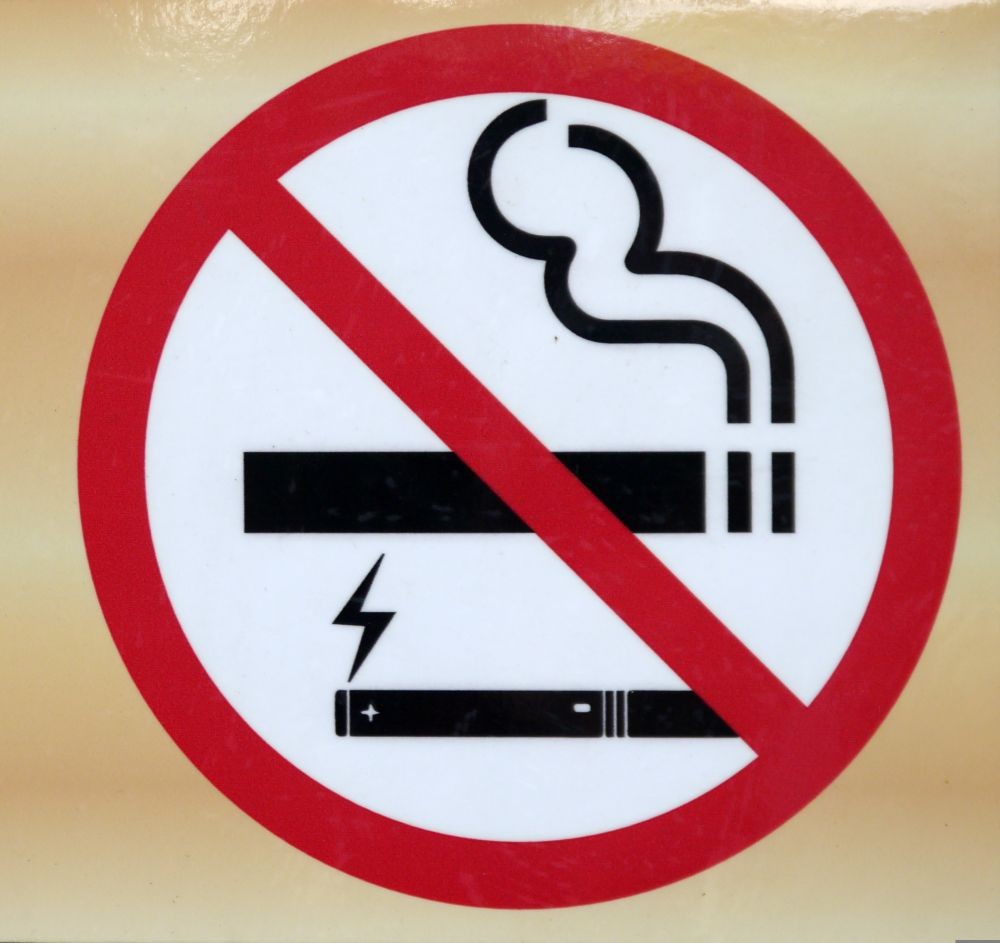
The tobacco industry continues to introduce new products to attract young users and replace those who quit or die from tobacco-related diseases. Many of these products are designed to look harmless and trendy, but they still contain nicotine, which is highly addictive and harmful to health. E-cigarettes and similar products are not safe alternatives. They can cause addiction and may lead to long-term health problems. As per the Prohibition of Electronic Cigarettes Act (PECA), 2019 , the Government of India has completely banned the production, manufacture, import, export, transport, sale, distribution, storage, and advertisement of electronic cigarettes and similar vaping devices in India.
The 2026 campaign calls for stronger action to protect children and youth from tobacco and nicotine addiction. It encourages stricter regulation of flavours, advertising, promotion, packaging, and digital marketing of nicotine products. It also promotes awareness and education so that young people can recognise industry tactics and make informed decisions.
Studies show that nicotine in many new-generation products is designed to be absorbed quickly, increasing addiction potential. These products are not harmless alternatives; they are simply new ways of delivering nicotine addiction, with long-term health effects that are still being studied.
Quitting tobacco and nicotine is possible. Many people have successfully stopped tobacco use through determination, family support, and concern for their health. Healthy habits such as regular exercise, good sleep, stress management, healthy eating, avoiding alcohol, and staying away from triggers can help people remain tobacco-free.
Support is also available for those who want to quit. Tobacco cessation services are available in district hospitals, including at Christian Institute of Health Sciences and Research, Dimapur. India’s National Tobacco Quitline (1800-11-2356) also provides free counselling support. Even brief counselling from a trained health worker can increase the chances of quitting successfully.
Stopping tobacco use is one of the best decisions for better health. The body slowly begins to heal after quitting, and each tobacco-free day improves health and quality of life.
This World No Tobacco Day, let us all work together to protect our families, children, and communities from the harms of tobacco and nicotine addiction.