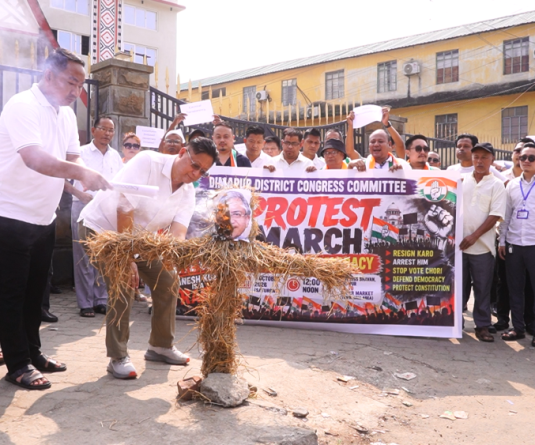
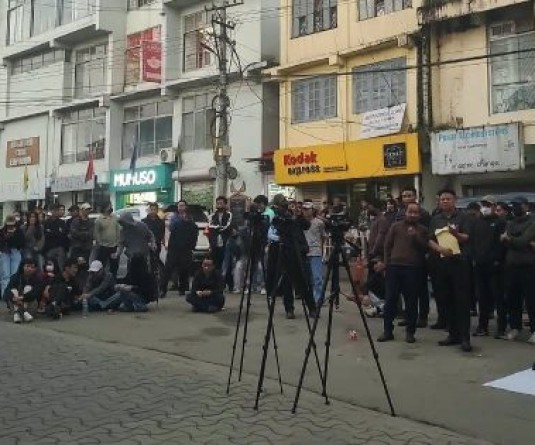
Representation Image (File Photo)
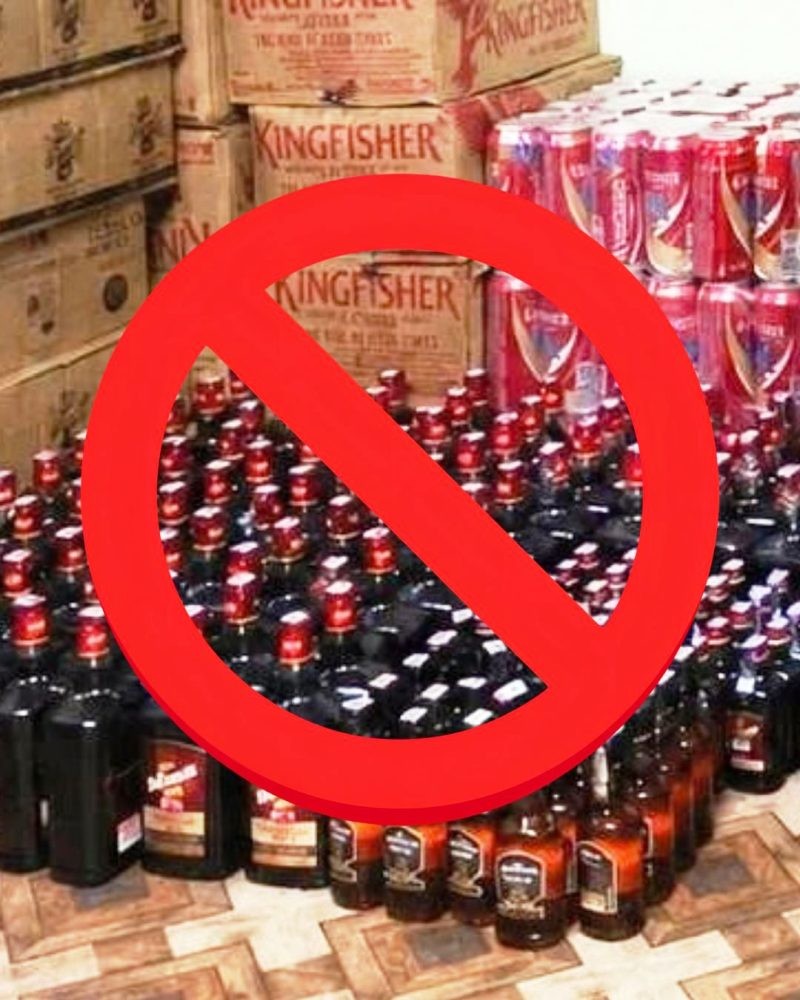
• ‘We the public are losing with or without the Act’
• Why most want the liquor ban relaxed and why some don’t
Morung Express News
Dimapur | October 3
“Prohibition has not stopped drinking; it has only changed who profits from it and what people end up drinking,” said one respondent in an opinion poll on the Nagaland Liquor Total Prohibition (NLTP) Act, 1989, while another countered, “no liquor should flow inside Nagaland” because alcohol “destroys families and relationships.”
The recent deaths linked to suspected spurious liquor in Tuensang and Mokokchung have reopened the debate on the NLTP Act, which is framed by two opposing views.
Of 117 responses recorded, 64% favoured revisiting, relaxing or repealing the 37-year-old law. 9% opposed any change, and 27% took the undecided positions.
Many of those in favour said prohibition had failed in practice. “Prohibition exists only on paper. Liquor is available everywhere in Nagaland to anyone who wants it,” one participant said, alleging that hotels and resorts linked to influential people sell liquor openly while ordinary consumers are left with “spurious, overpriced liquor.”
Several respondents linked the deaths directly to the Act. “People are dying not from drinking too much but from drinking something that was never fit for human consumption,” one said. Another argued that the law “has created a black market, enriched bootleggers and directly contributed to the public health crisis.”
Economic concerns also featured. One respondent said the Act was “creating an artificial inflation on liquor prices” and “draining our money in crore” to neighbouring Assam. Another claimed the present system “only profits the rich, the syndicates, and corrupt law enforcement through fines and bribes.”
A number of respondents criticised the role of Nagaland Baptist Church Council (NBCC) and other church bodies. “The Church happens to preach but not to rule,” one said, while another urged that churches and the government “stay in their own lanes.” Some said the NBCC should concentrate on rehabilitation centres and outreach to drinkers rather than government policy.
Others blamed enforcement agencies and the government. One called the situation “a total failure of the Police dept, excise dept and current Nagaland Government.” Another asked how smugglers were passing check gates, a question also raised by a respondent who opposed lifting the ban.
Among those favouring change, many proposed regulation rather than a free market. One suggested legalisation “with the consideration of strict policy regarding quality product, age restriction, and fair price,” along with no-objection certificates from local authorities. Another recommended “state-controlled retail, quality standards and revenue directed toward public services,” including rehabilitation. The same respondent said any amendment should come from a multidisciplinary body of experts in public health, law, economics, enforcement and social work, together with communities.
Those opposed to revisiting the Act were firm. “It just needs to be implemented with an iron hand,” one said. Another argued, “Why sell cancer, disease, death openly for a few crore?” and urged those seeking repeal to “shout at the bootleggers in the same spirit” instead of blaming the church. A third said, “No liquor should flow inside Nagaland,” adding that alcohol “destroys one's own life... destroys family and relationships.”
Some opponents called for awareness campaigns in schools and among adults on the effects of alcohol, drugs and tobacco. One person noted that deaths from spurious liquor “are common in states where liquor is not banned.”
The ‘others’ category was divided. One participant wanted “total ban or open liquor depots,” rejecting a middle path. Another proposed a consumer card with a QR code so sellers could track an individual's purchases. A third cautioned that legalisation would benefit mainly licence holders. “We the public are losing with or without the Act,” the respondent said.
A counter-view held that regulation would serve the public. “Lifting or modernising the ban is not about treating lives as collateral, but about preventing avoidable deaths through strict government regulation and quality control,” it said, adding that excise revenue could fund healthcare, schools and addiction treatment.
Some respondents questioned the poll itself. “This type of question must be asked to the right people. Taking only public opinions on streets and TV shows? Waste of time,” one said.
Another asked the government to trace the source of the liquor involved in the deaths. “We should see whether the liquor factory is established in Nagaland or synthesised after being bought from Assam,” the respondent said.