Resurrection Confronts Greed and Calls for Integrity
Rev Dr Mar Pongener
General Secretary, Nagaland Baptist Church Council
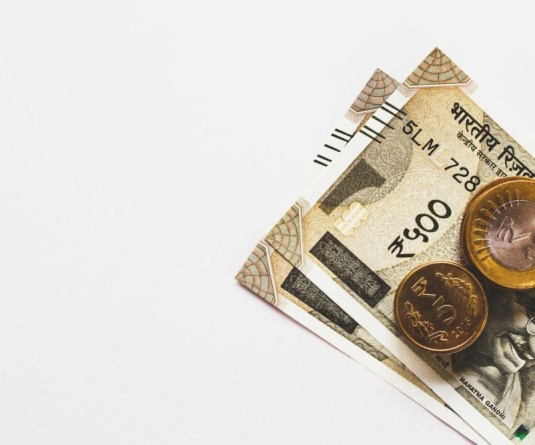
At first glance, the mention of “thirty pieces of silver” from Matthew 26: 14-16) may seem more fitting for Good Friday than Resurrection Sunday. Yet the resurrection in Matthew 28:1-10) does not stand apart from that act of betrayal; it answers it and exposes it. Before we reach the empty tomb, we must pass through a darker moment in the Gospel story. In Matthew 26:14–16, Judas Iscariot Iscariot goes to the chief priests and asks, “What are you willing to give me if I deliver Him to you?” They count out for him thirty pieces of silver. This is not just a historical detail buried in the past. It is a mirror held before every generation. A disciple becomes a betrayer. A follower of Jesus trades his Master for money. It reveals how easily the human heart can place a price on what should never be sold. The thirty pieces of silver still speak, and their message confronts us even in the light of the resurrection.
Judas Iscariot Iscariot did not begin as a traitor. He walked with Jesus, listened to His teachings, witnessed His miracles, and shared in His ministry. Yet somewhere along the way, something went wrong within him. What began as closeness to Christ ended in compromise and betrayal. At the center of that betrayal was greed, a quiet but powerful force that can grow unnoticed until it takes control. Judas Iscariot’s choice exposes the depth of human greed and the tragic ease with which integrity can be traded away. But the story does not end there. The empty tomb confronts this reality with a greater truth. Christ, who was sold for a price, is RISEN beyond all price, declaring that no act of greed can silence God’s purpose. The resurrection is therefore not only a victory over death but also a moral awakening. It calls us to examine what we value, what we are willing to exchange, and whether our lives reflect integrity or compromise. In this light, the thirty pieces of silver still speak, but the risen Christ speaks louder, summoning us to a life transformed by truth, faithfulness, and unwavering integrity.
Greed is subtle. It does not always appear as open evil. It often hides behind justification, necessity, and opportunity. It whispers that compromise is acceptable, that small dishonesty is harmless, and that personal gain is worth the cost. In its simplest sense, greed is an excessive desire for more and more money, more power, more advantage, regardless of truth, justice, or righteousness. It is not merely a financial issue; it is a condition of the heart. The tragedy of Judas Iscariot is not only that he betrayed Jesus, but that he allowed greed to take root within him until it shaped his choices. What began as a hidden desire ended in a public fall. Greed defiles a person from within. It distorts judgment, weakens conviction, and slowly silences the voice of conscience. Scripture warns us in 1 Timothy 6:10 that the love of money is a root of all kinds of evil. Judas Iscariot stands as a painful reminder that even those who walk closely with Christ are not immune if the heart is not guarded.
As we look at our own context, we cannot deny that the spirit of those thirty pieces of silver is still at work. Corruption, bribery, misuse of power, and dishonesty are not distant realities; they are present in our systems and, at times, within our own lives. Decisions are often influenced by personal benefit rather than truth, integrity is sacrificed for advantage, and positions of trust are used for self-interest. The uncomfortable truth is this: it is possible to walk with Christ publicly and yet betray Him privately. Yet the Gospel does not end with betrayal, nor does it end with the cross; it moves forward to the RESURRECTION. In Matthew 28:1–10, we
encounter a completely different scene where the women come to the tomb not with greed but with devotion, expecting to find a lifeless body, yet encountering the risen Lord. The angel declares, “He is not here; He has risen, just as He said.” The stone is rolled away, the grave is empty, and death is defeated. The resurrection is God’s decisive answer to the sin that led Jesus to the cross, declaring that greed, betrayal, and evil do not have the final word; more than that, it exposes them for what they truly are—empty, temporary, and ultimately powerless before the purposes of God.
The resurrection confronts greed in a profound way. Greed thrives on fear—the fear of not having enough, not being secure, not being in control. But the resurrection assures us that our future is secure in Christ. Because He lives, we do not need to grasp, manipulate, or compromise to secure our lives. We are free to live with honesty, to choose truth over gain, and to value righteousness over reward.
What greed promises but never delivers, the risen Christ has already secured. The resurrection also exposes the emptiness of dishonest gain. What did Judas Iscariot ultimately gain from his thirty pieces of silver? Temporary profit followed by regret and destruction. His story is a sobering reminder that what is gained through compromise will never bring lasting peace. In contrast, the women at the tomb received something far greater than silver. They received the message of life. They were entrusted with the good news of the resurrection. They became witnesses of hope. “One chose silver and ended in despair. The others chose devotion and became bearers of life.” The resurrection invites us to make that same choice.
This leads us to the call for integrity. Integrity is the opposite of greed. It is the quality of being honest, whole, and consistent in character. It means doing what is right even when no one is watching. It means that our public faith and private life are aligned. Proverbs 11:3 declares, “The integrity of the upright guides them.” Integrity is not merely a moral ideal; it is a spiritual necessity for those who claim to follow the risen Christ. The resurrection calls us to such a life. Romans 6:4 reminds us that just as Christ was raised from the dead, we too are called to walk in newness of life. This new life is not abstract. It is visible in honesty, faithfulness, and righteousness. The transformation of the disciples after the resurrection shows us this clearly. Before the cross, they were fearful and inconsistent. After encountering the risen Christ, they became bold, truthful, and unwavering. The resurrection did not simply comfort them; it transformed them.
Integrity is not easy. It often comes with a cost. It may mean refusing opportunities that seem beneficial. It may mean standing alone when others choose compromise. It may mean losing short-term advantage for the sake of long-term faithfulness. But the resurrection assures us that such a life is never wasted. 1 Peter 1:18–19 reminds us that we were not redeemed with perishable things such as silver or gold, but with the precious blood of Christ. If our salvation was not purchased with silver, how can we allow silver to control our lives?
We cannot celebrate the risen Christ while holding on to the very attitudes that crucified Him. We cannot proclaim victory over death while living in bondage to greed. We cannot speak of new life while practicing old patterns of dishonesty. The resurrection calls for a decisive break from the past. It calls us to examine our hearts honestly. Where have we compromised? Where have we chosen personal gain over truth? This is not a call to condemnation, but to transformation. The same grace that forgives also empowers change. The risen Christ not only exposes sin but also offers new life. And as individuals are transformed, society begins to change. Systems do not transform on their own; they are shaped by the people within them. When individuals choose integrity, corruption begins to lose its hold. When truth is practiced
consistently, righteousness takes root. It calls us to reject the spirit of Judas Iscariot and embrace the life of Christ. It calls us to be known not for compromise, but for integrity.
The thirty “Pieces of Silver” still speak. They remind us how easily Christ can be traded for lesser things. But the empty tomb speaks louder. It declares that Christ is risen, that sin is defeated, and that a new way of life is possible. Let us turn away from greed and walk in integrity. Let our lives reflect the power of the resurrection not only in what we believe, but in how we live. For when the resurrection truly takes hold of a people, betrayal gives way to faithfulness, corruption gives way to righteousness, and broken systems begin to be restored. May the voice of the empty tomb speak louder than the pull of silver in our lives. Freed from the grip of greed, may we be strengthened to walk in integrity, choosing truth over gain and faithfulness over compromise, as the risen Christ shapes our character and transforms our lives.