Ela Kokho, Director of Prodigal’s Home speaking during the workshop on “Special Education: Barriers and Opportunities” held at Patkai Christian College on April 13. (Photo Courtesy: PCC Mass Comm)
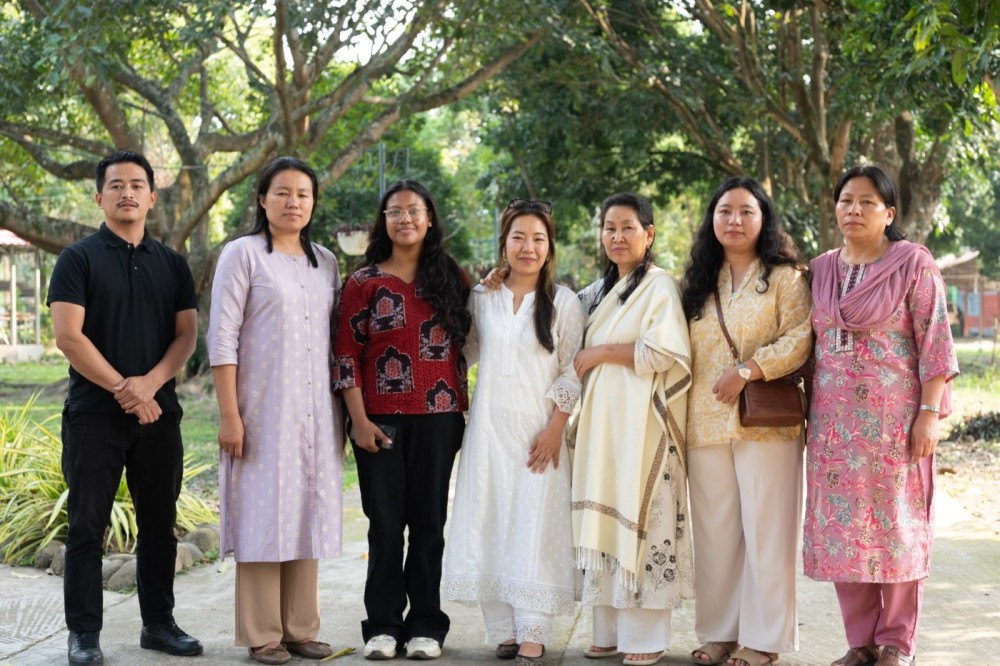
Chümoukedima, April 13 (MExN): The Department of Education at Patkai Christian College organised a one-day workshop on “Special Education: Barriers and Opportunities” on April 13 at the college’s Conference Hall, focusing on promoting awareness, sensitivity, and inclusivity for persons with disabilities.
The event began with an opening prayer and introductory remarks by Dr Razoukhrulu, who underscored the need to address both visible and invisible barriers faced by persons with disabilities stated a press release.
Ela Kokho, Director of Prodigal’s Home, was the resource person. In her address, she highlighted the persistent challenges faced by the disabled community, noting that they remain significantly underrepresented and often undercounted in official data. She observed that stigma, lack of awareness, and societal attitudes frequently prevent families and individuals from coming forward during surveys and census exercises.
Drawing from personal experiences, Ela reflected on how ignorance and lack of sensitisation during formative years contribute to discrimination and exclusion. She stressed that negative attitudes, bullying, and social isolation continue to affect children with disabilities, even in contemporary settings.
“The most significant barrier is not always physical, but the barrier in our minds rooted in ignorance, fear, and indifference,” she said.
The speaker called for greater awareness and compassion, urging students, educators, and communities to actively foster inclusive environments. She emphasised that while professional training in special education is valuable, every individual has a role to play in supporting and including persons with disabilities through empathy and informed understanding.
Ela also pointed out systemic issues in the education sector, including inaccessible infrastructure, lack of trained teachers, and reluctance among institutions to admit students with disabilities. She called on educational institutions to adopt inclusive policies, ensure accessibility, and implement “reasonable accommodation” measures such as ramps, assistive facilities, and supportive learning environments.
Highlighting the importance of early education, she noted that many persons with disabilities are unable to access higher education or vocational training due to inadequate foundational schooling. This, she said, limits their ability to benefit from existing opportunities, including job reservations and skill development programmes.
The workshop encouraged participants to familiarise themselves with the Rights of Persons with Disabilities Act, which guarantees equal rights and access to education, public spaces, and opportunities for persons with disabilities.
The session concluded with a call to action for students and faculty to become advocates of inclusion within their communities. Participants were urged to challenge discriminatory attitudes, build meaningful relationships with persons with disabilities, and contribute towards creating a more inclusive and equitable society.