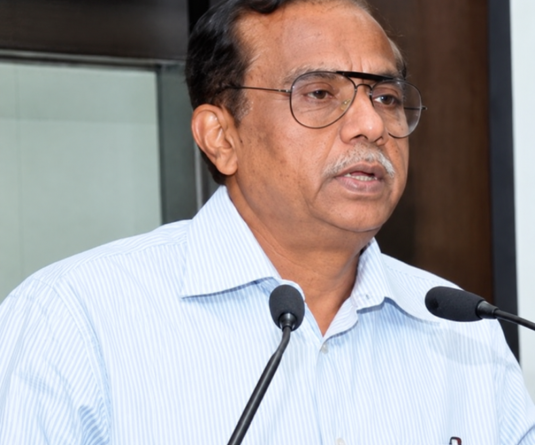
Thannganing Hungyo
Dimapur | June 27
THE RIVERS Tizu and Dikhu, if all goes as planned, are set to become the currents to spur an economic boom in Nagaland. Besides serving as power generators, the water bodies would more importantly facilitate the import and export of goods to and from Thailand and Myanmar through inland waterways.
Y Doshehe Sema, parliamentary secretary for power and also for geology and mining, today said the rivers would play a pivotal role in shaping the “future of Naga economy.” Having attended a meet in Guwahati recently, which saw the presence of official representatives from Thailand including its commerce minister Kirk Krai Jirapaet, Doshehe said he had pressed for the inclusion of Dikhu as an inland waterway.
Nagaland can export minerals and oil to the South East Asian countries through these waterways, he said.
The junta-run country will be requested by the Nagaland government to develop 50 kilometers of waterways to touch Avankhu in Phek district, which again is at a distance of 42 km to Longmatra under Kiphire district.
Myanmar has established a steamer station near the Nagaland border which could facilitate trade through the water route.
A hydrographic survey on the Tizu River has been taken up with the ministry of shipping sanctioning Rs 75 lakh for the same. “This time we will include Dikhu,” Doshehe said. The hydroelectric project at Dikhu can generate 120 MW of electricity.
Besides Myanmar, Nagaland is keen on developing trade relations with Thailand through water transport. While Tizu would provide benefits to Phek, Kiphire and Zunheboto districts directly, Tuensang and Mokokchung districts would reap benefits from Dikhu.
The MLA also informed that the cement plant at Wozheho in Phek District that produces 50 tonnes per day would be enhanced to a capacity of 150 tonnes per day. Another proposal to set up a cement-producing facility with a capacity of 100 million tonnes per annum in the area near Mimi in Kiphire District has been made. If this becomes a reality, Nagaland will not have to depend largely on Bokajan for its cement needs, as is the practice now.
Morung Express News
.jpg)